Ihor, civic activist
Ігор, громадський активіст
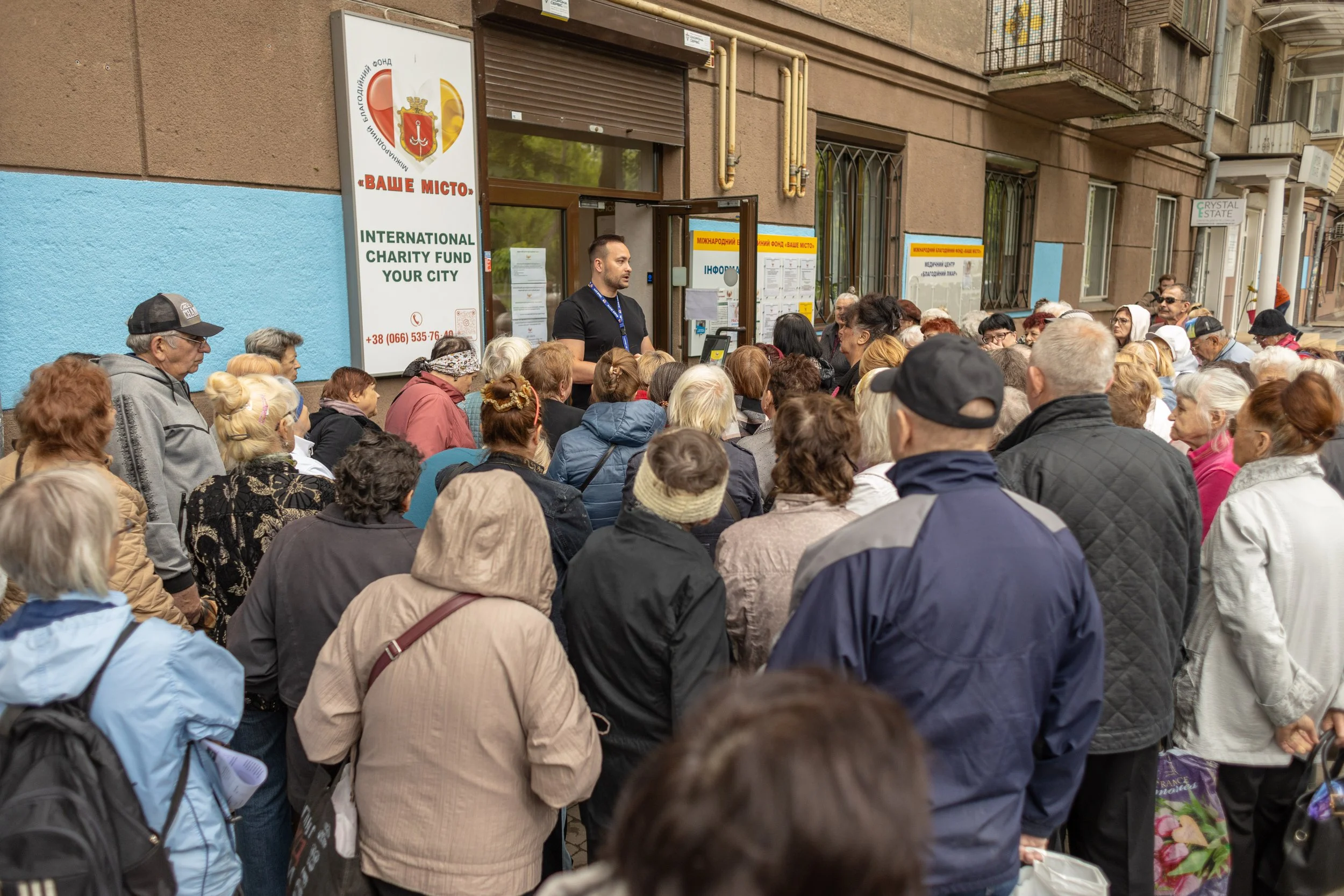
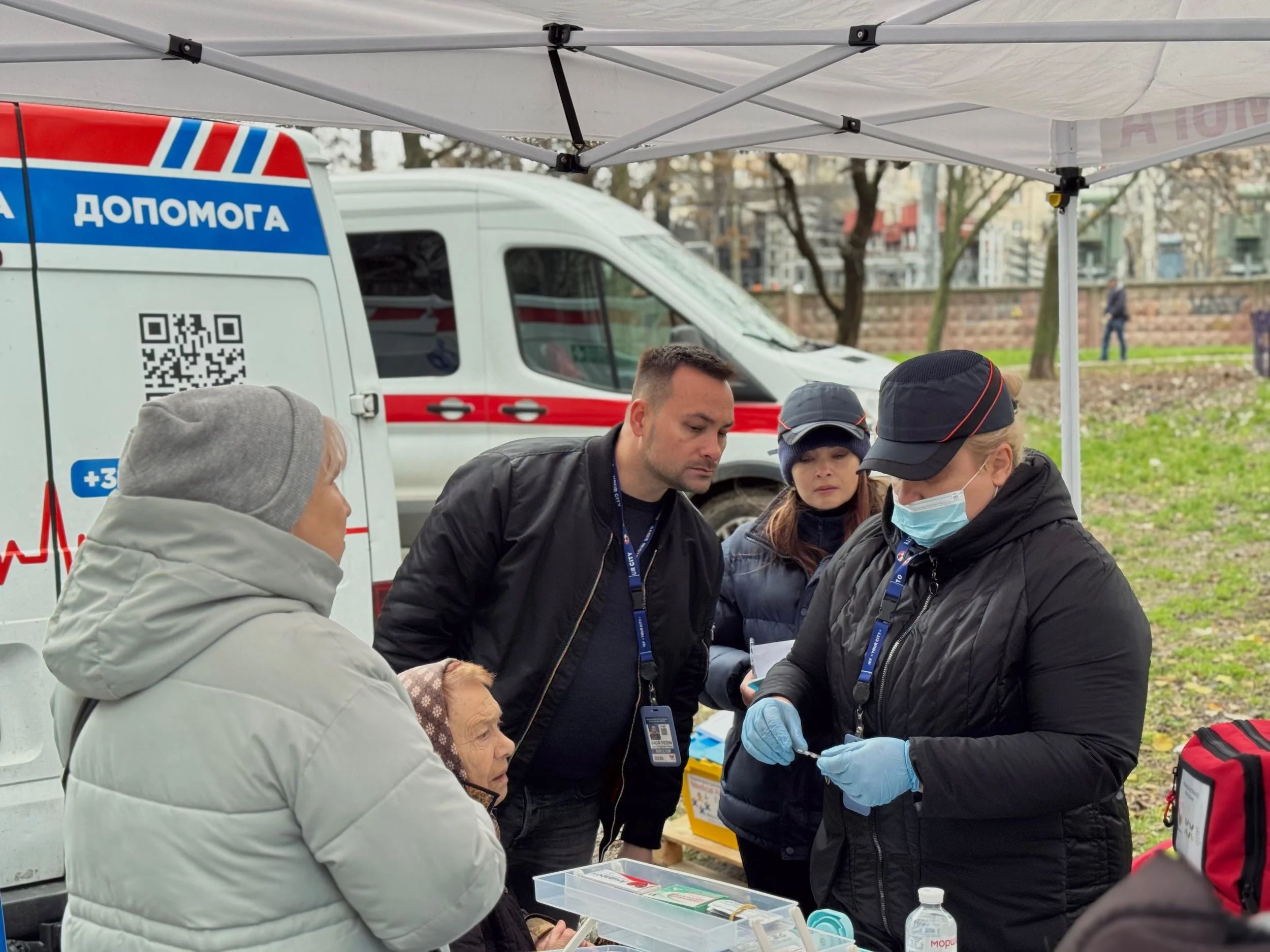

Ihor was born in Odesa, where he grew up and went to a school in which Russian was the dominant language. Ukrainian was present, but more distant. It was only after the full-scale invasion that he began to switch fully to Ukrainian—gradually, and with a sense that it had become closer to him.
On the morning of 24 February 2022, Ihor woke around seven. His phone was filled with messages. Friends from Cologneurged him to leave and come to Germany. He decided to stay. For a time, he considered joining the army. But his mother is paralysed, and he is her sole caregiver. The decision not to enlist was shaped by responsibility at home. Instead, he chose to engage in a different way.
Before the war, Ihor ran a private business in Odesa. In its first months, he shifted course and founded a local organisation, Your City. Since then, most of his time has been spent in Odesa, with occasional trips abroad for work. His days are structured around the activities of the organisation, particularly the distribution of free medicine to vulnerable groups and the provision of psychological support after attacks.
When reflecting on what has changed, he points to something less tangible than destruction. The interview took place in early April, a time that once carried particular significance in Odesa. The first of April—traditionally marked by humour festivals, parades, and cabaret—passed without celebration. In previous years, it had been a day of lightness and irony. This time, it was quiet. Just days before, a well-known local comedian had died, and his funeral was held on that same date. Ihor attended. The coincidence struck him as deeply symbolic.
For him, Odesa has lost some of its ease. Even before the war, the pandemic had already reshaped daily life. Nightlife, once stretching into the early morning hours, had begun to contract. With the war and curfew, that part of the city has largely disappeared. He is unsure whether it will return.
He also observes how people adapt. There is, he says, a visible effort to compensate for the strain of recent years. Some invest more in appearance, others in consumption—restaurants, cars, small luxuries. It is, in his view, an attempt to reclaim a sense of normality, or at least to momentarily suspend the weight of events.
At the same time, the city feels smaller, more provincial than it once did. Before 2018 or 2019, many residents chose to stay rather than move to Kyjiw for career opportunities. Odesa offered a sense of openness, even a Mediterranean atmosphere. That perception has faded. The city appears quieter now, more subdued, at times even diminished.
Driving through Odesa, Ihor navigates not only streets but memories. Many places are tied, in his mind, to specific attacks—February, June, particular buildings, particular losses. Because his organisation often provides immediate psychological support after strikes, these associations are precise. The geography of the city has changed for him. It has become, in his words, a wounded space.
Yet there are also signs of persistence. He notices the absence of traffic, the reduced number of people. But he also sees reconstruction—windows replaced, facades repaired, buildings restored again and again, sometimes after multiple strikes. Life resumes, even in repetition.
When Ihor travels abroad, he is struck by a subtle but immediate shift. Crossing the border at Palanca border crossing, the sky looks the same, but the atmosphere changes. There are no sirens. The silence is palpable. Still, he remains connected—his phone on, alert applications active. His team continues to respond on the ground. Distance does not fully remove responsibility.
Looking ahead, he expects that life in Ukraine may come to resemble, in some ways, that of Israel: a prolonged state of risk in which people continue their lives, gradually adapting to a constant level of threat.
The strain is not without personal effect. Ihor speaks, half in jest, about coping through small habits—too much chocolate, too many sweets. A recent medical check-up prompted a change. He has returned to the gym and taken up Thai boxing, reintroducing structure and discipline into his routine.
What anchors him most, however, is his work. Through Your City, he sees directly how assistance reaches those who need it. The gratitude of beneficiaries, the immediacy of impact—these are what sustain his motivation. In a city that he experiences as marked by loss and change, this work provides a sense of direction, and a reason to remain engaged.
Він виріс у середовищі, де панувала російська мова, а українська довгий час залишалася чимось далеким і суто формальним. Проте з початком повномасштабного вторгнення він почав свідомо переходити на українську. Це не було примусом — навпаки, Ігор відчув, що саме ця мова стала йому по-справжньому близькою, відображаючи його внутрішні зміни.
Ранок 24 лютого 2022 року почався для нього близько сьомої ранку від шквалу повідомлень. Друзі з німецького Кельна наполегливо пропонували виїхати, але Ігор прийняв інше рішення. Хоча він розглядав можливість піти до війська, обов’язок перед родиною став вирішальним: він єдиний, хто піклується про паралізовану матір. Ця відповідальність визначила його шлях — бути корисним у тилу.
До великої війни Ігор успішно розвивав власний бізнес. Проте в перші ж місяці вторгнення він повністю змінив вектор діяльності, заснувавши громадську організацію «Your City». Тепер його щоденне життя — це не прибутки, а логістика безкоштовних ліків для вразливих груп та організація психологічної допомоги одеситам, які потерпають від обстрілів.
Розмірковуючи про зміни в Одесі, Ігор згадує початок квітня — час, який колись був серцем одеського духу. Традиційне 1 квітня, з його карнавалами та Гумориною, тепер минає в тиші. Символічним моментом для нього став похорон відомого одеського коміка, що відбувся саме в цей день. Для Ігоря це стало ознакою того, що колишня легкість та іронічність міста відійшли в минуле.
«Одеса стала іншою. Ще пандемія почала гасити її нічне життя, а війна та комендантська година остаточно змінили цей ритм. Чи повернеться колись та безтурботність — невідомо».
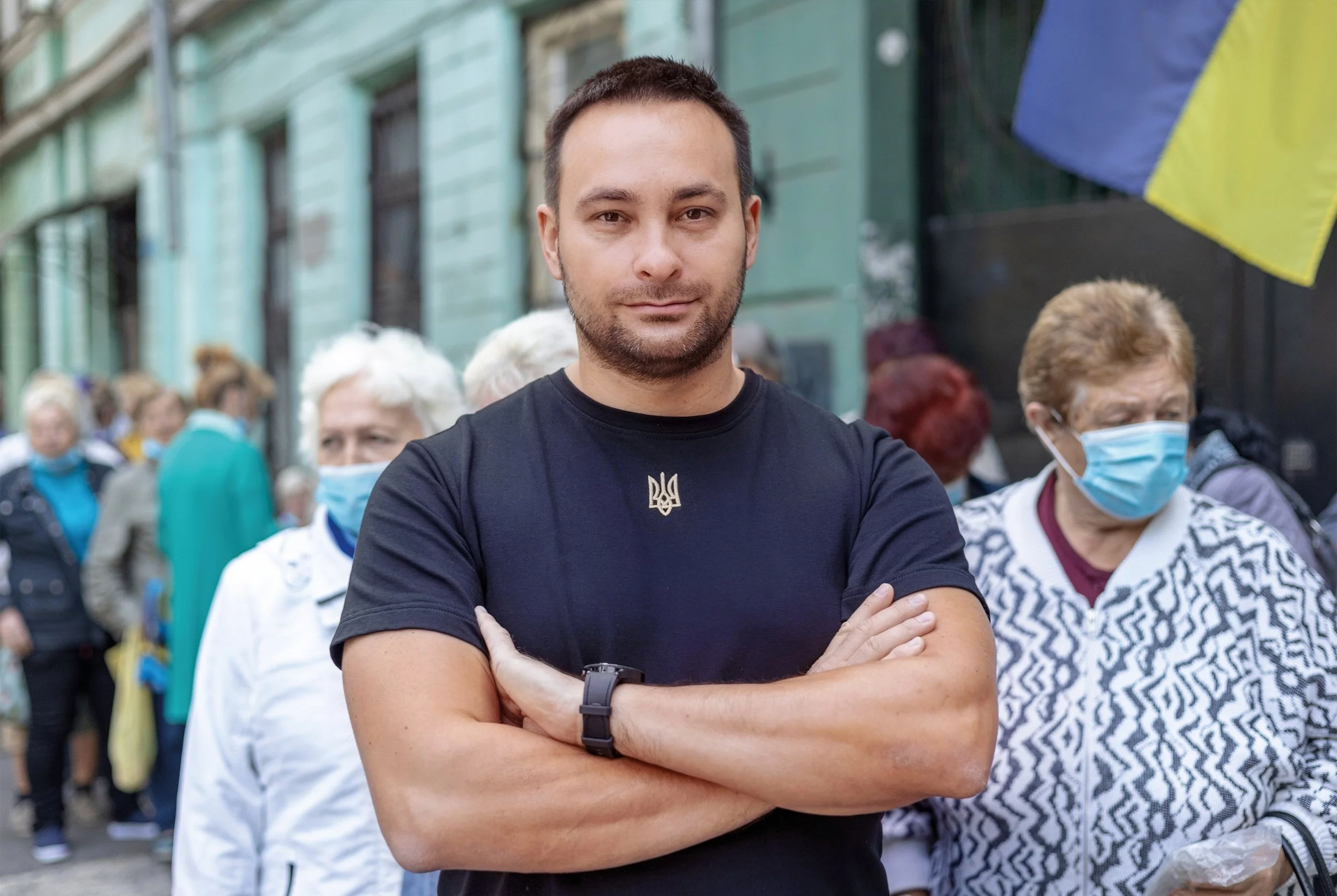
Ігор зазначає, що місто стало більш «провінційним» та закритим. До 2019 року Одеса вабила своєю відкритістю та середземноморським стилем життя, заради якого люди свідомо відмовлялися від кар’єри в Києві. Тепер же вона виглядає тихішою, стриманішою, а подекуди — похмурою.
Пересуваючись вулицями, Ігор бачить не просто архітектуру, а «карту атак». Кожна пошкоджена будівля асоціюється з конкретним місяцем, обстрілом та людськими втратами. Оскільки його команда надає допомогу на місцях «прильотів», географія міста перетворилася для нього на поранений простір.
Але водночас він захоплюється наполегливістю містян. Попри зменшення кількості людей і транспорту, Одеса постійно відновлюється. Вікна замінюють, фасади латають — життя триває у впертому циклі відбудови.
Коли Ігор виїжджає за кордон у робочих справах, контраст вражає його миттєво. Перетинаючи межу в Паланці, він відчуває приголомшливу тишу без сирен. Проте думками він завжди вдома: телефон завжди увімкнений, додатки тривог активні, а зв’язок із командою не переривається.
Майбутнє України він бачить схожим на шлях Ізраїлю — тривалий стан життя в умовах ризику, до якого суспільство має адаптуватися. Таке напруження вимагає ресурсів, і Ігор знайшов свій спосіб боротьби зі стресом. Після періоду «заїдання» тривоги солодощами він повернувся до дисципліни: спортзал і тайський бокс допомагають тримати структуру життя.
Найбільше Ігоря тримає робота. Результати діяльності «Your City», вдячність людей та реальна допомога — це те, що дає йому енергію. У зміненому, пораненому місті ця місія дає йому чіткий сенс залишатися і продовжувати боротьбу.