Tim Melnikov
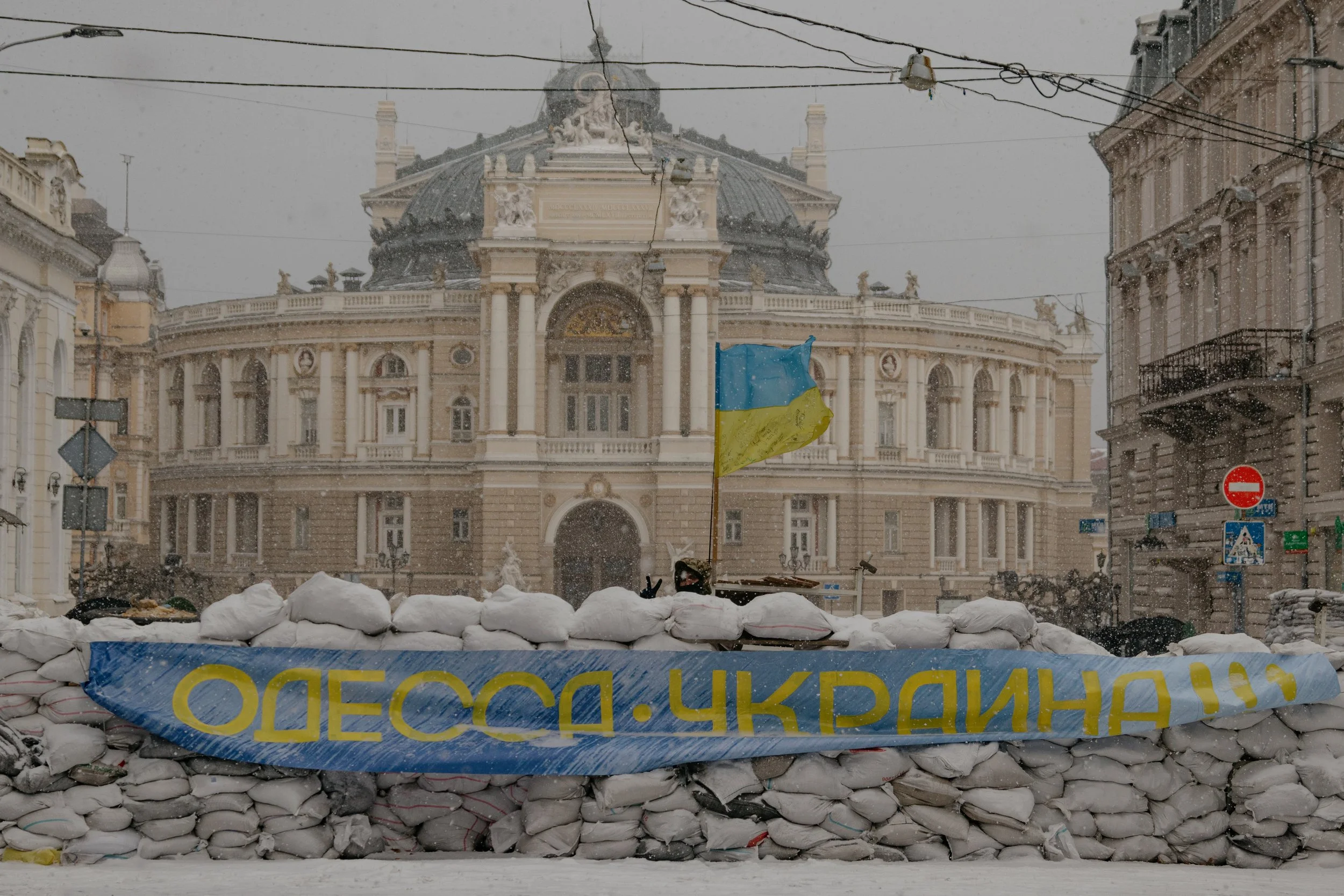
Odesa Opera House
Одеський національний академічний театр опери та балету
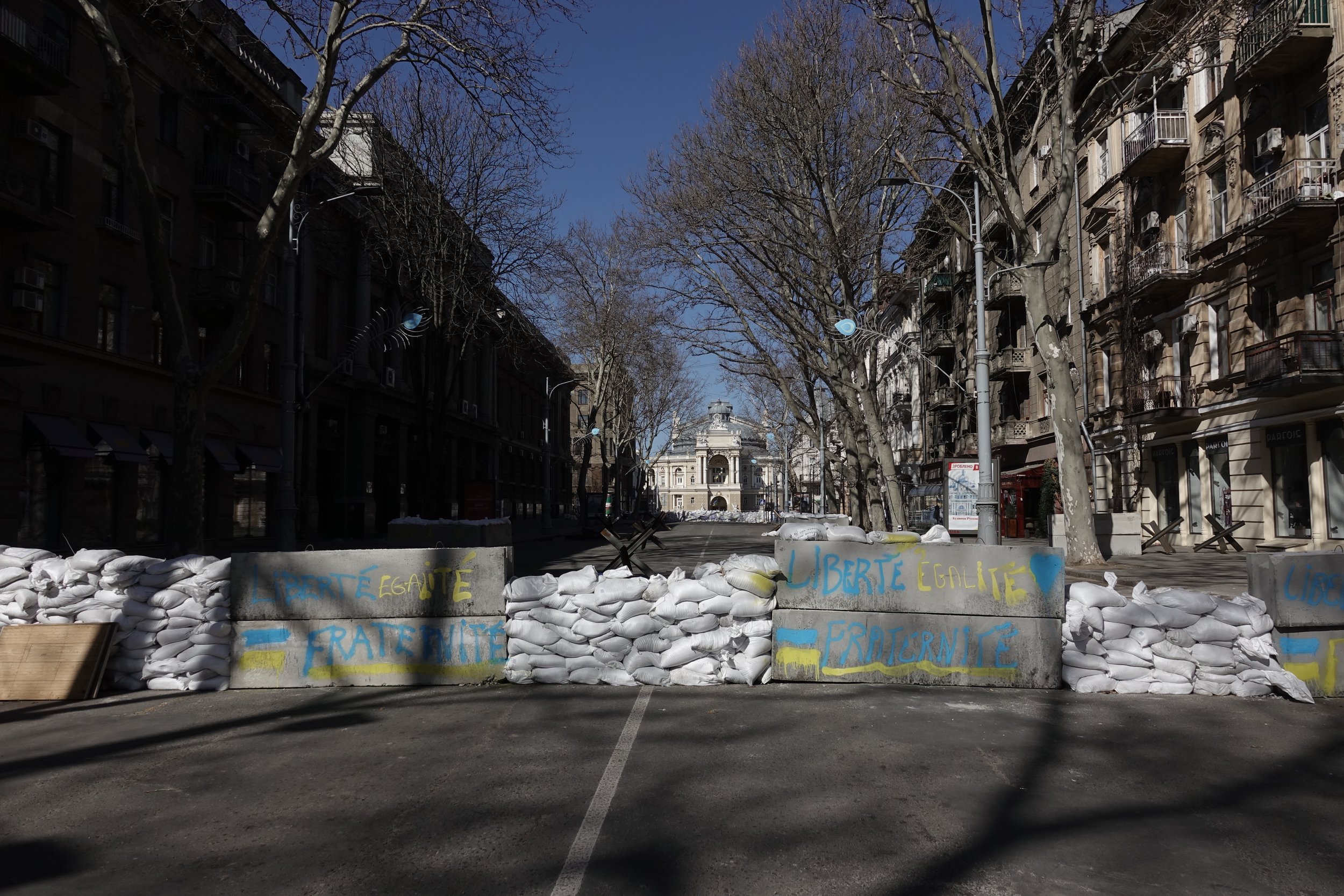
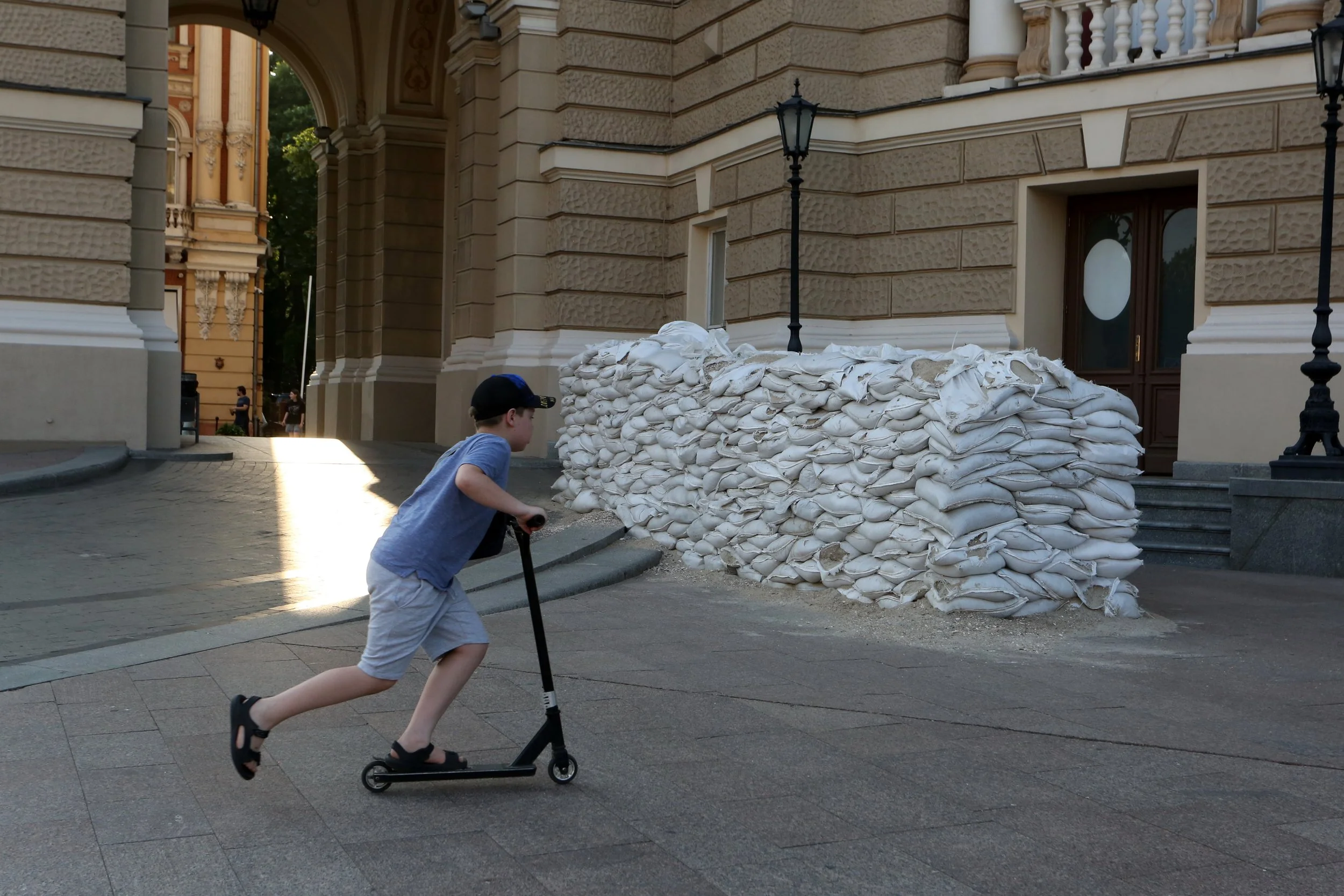
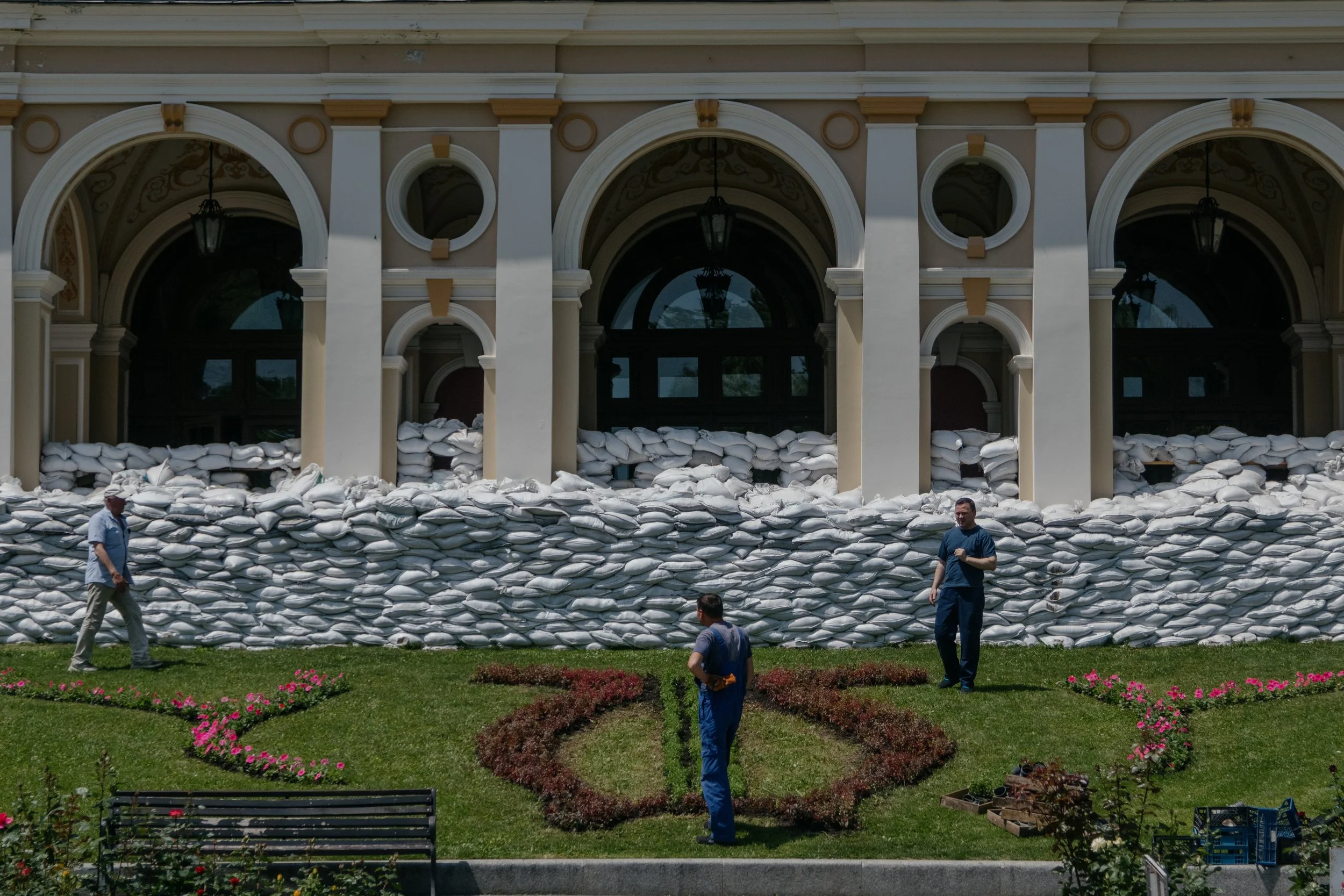
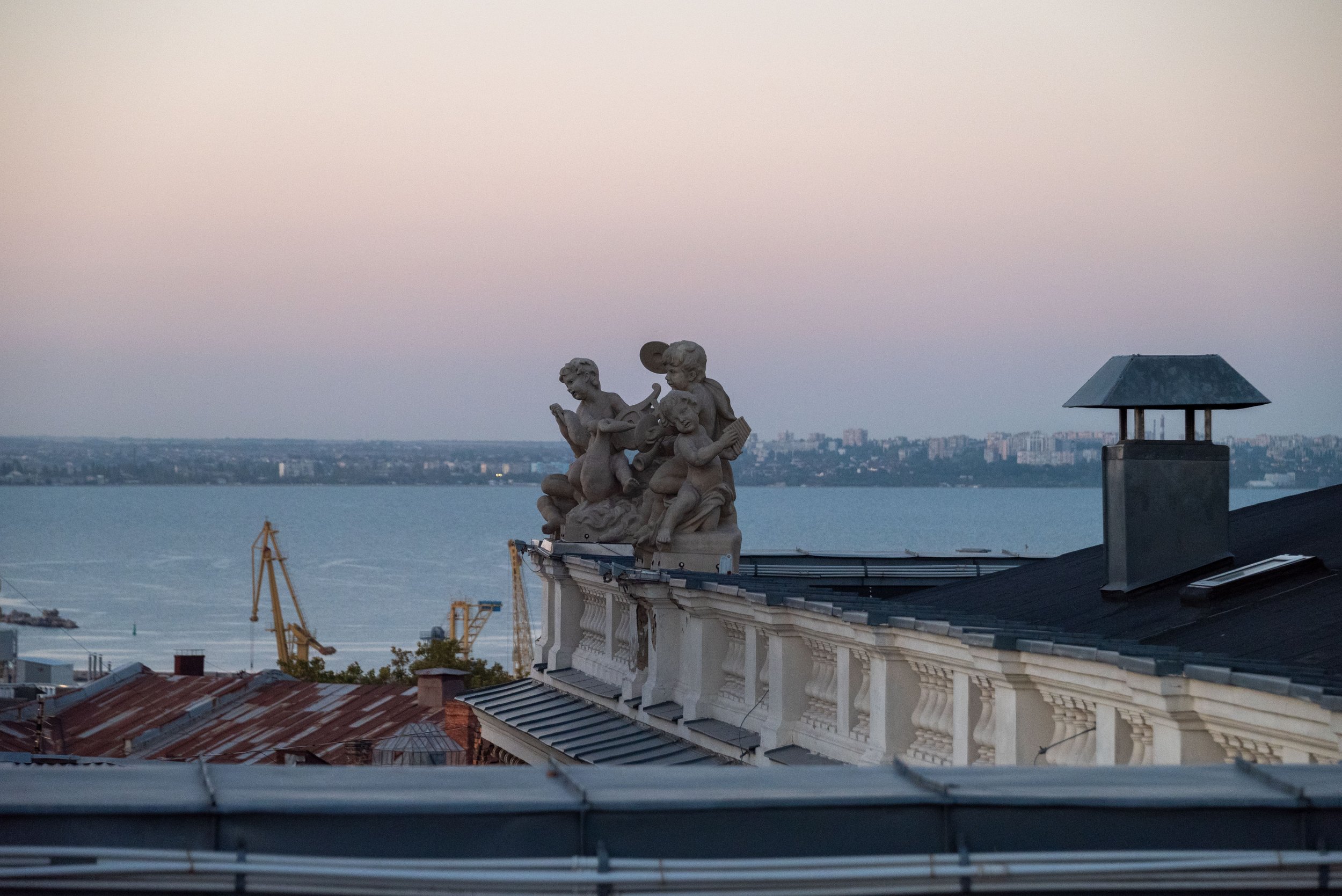
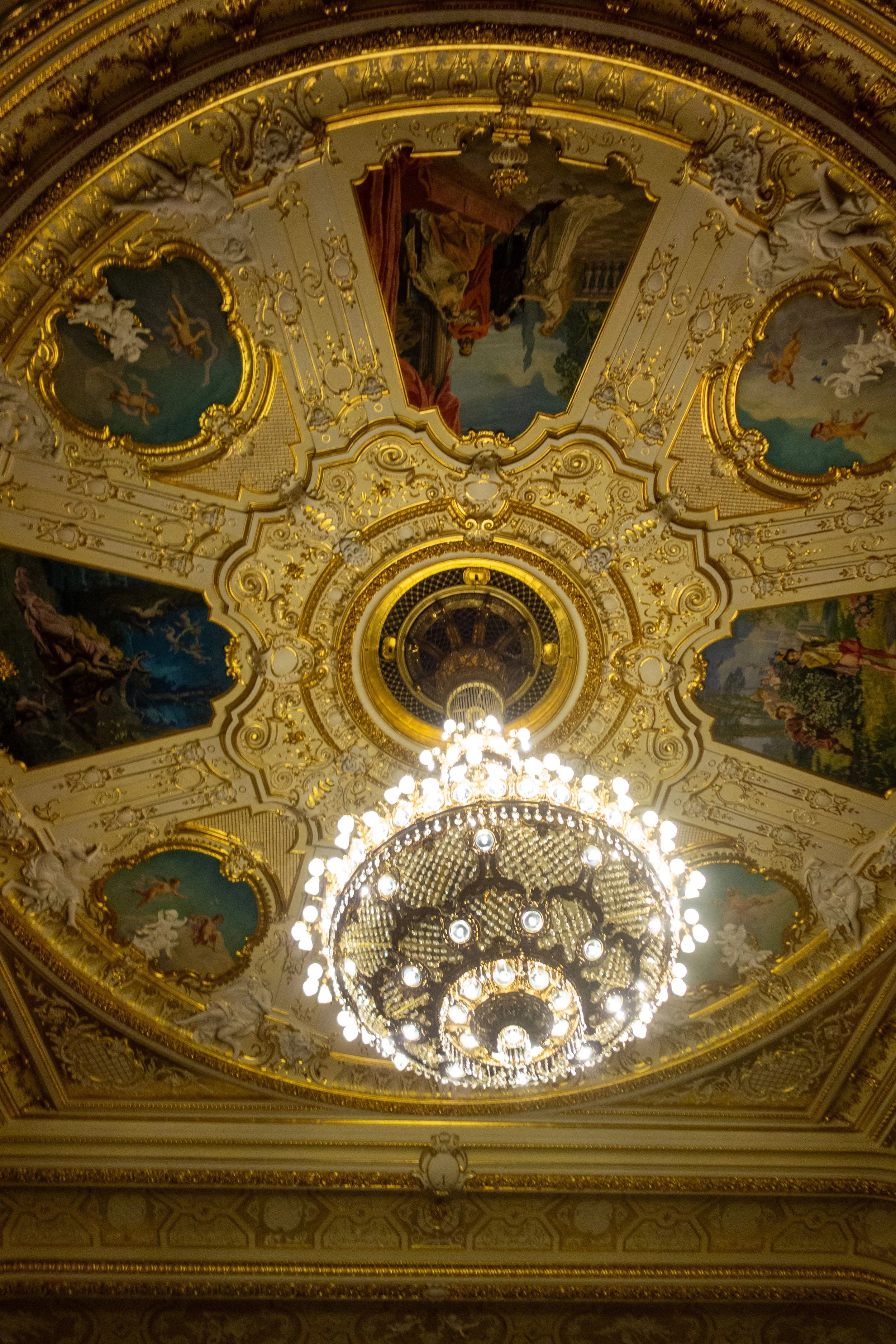
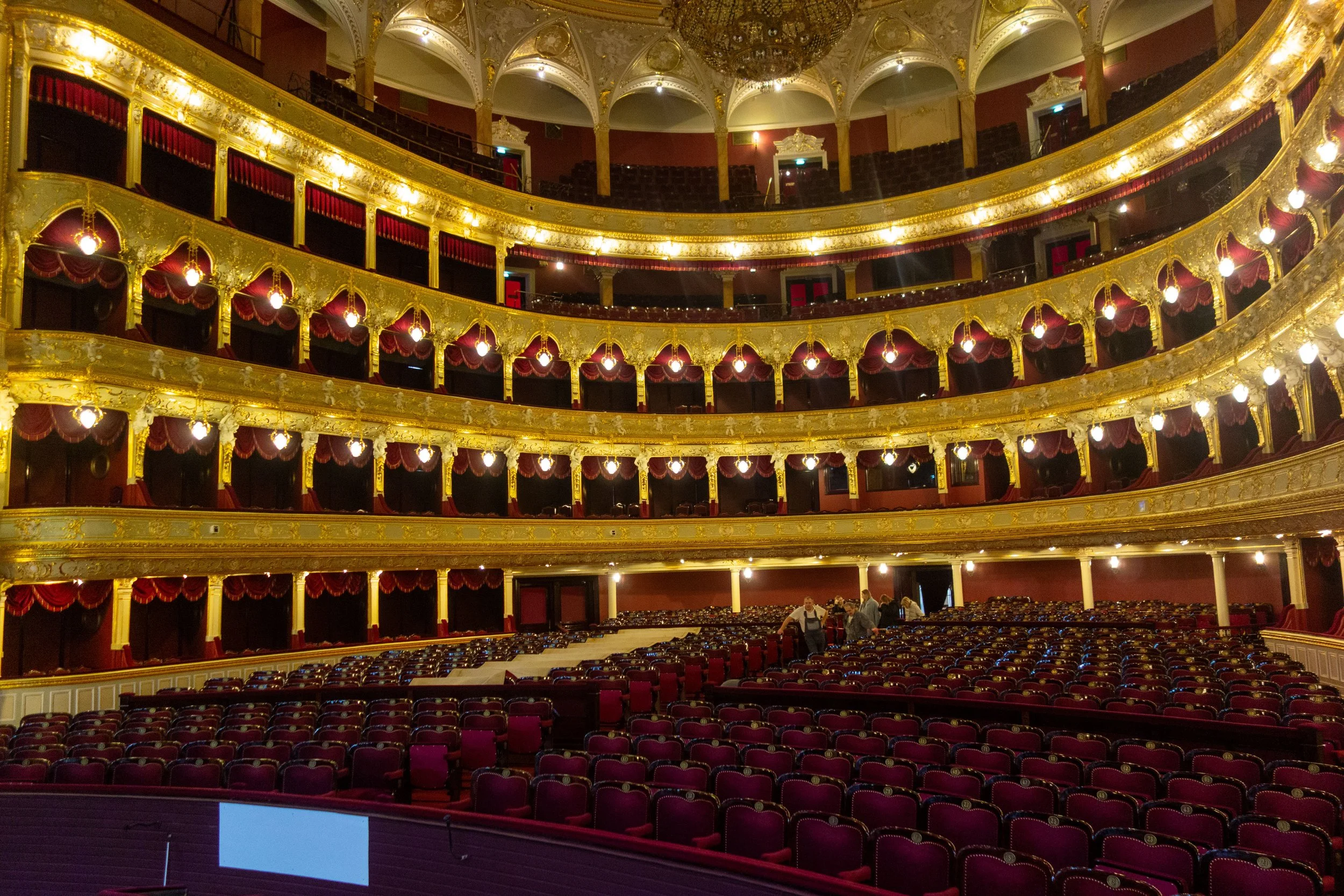
The Odesa National Academic Theatre of Opera and Ballet stands as one of the city’s most iconic landmarks and a symbol of its rich cultural heritage. Since its inauguration in the late nineteenth century, the Opera House has embodied Odesa’s cosmopolitan spirit, architectural ambition, and deep commitment to the performing arts. Its grand façade and lavish interior have long made it a focal point of urban life and a defining feature of the city’s cultural landscape.
In times of war, the Opera House has assumed an additional and profound significance. Beyond its artistic function, it has become a cornerstone of the city’s civic resilience and cultural defense. Concerts, ballets, and other performances continue to take place on a regular basis, affirming the enduring importance of art even in the darkest of times.
The Odesa Opera House thus represents far more than architectural grandeur. It embodies the city’s refusal to surrender its cultural soul.
Одеський національний академічний театр опери та балету є однією з найвідоміших архітектурних пам’яток міста та символом його багатої культурної спадщини. Від часу свого відкриття наприкінці ХІХ століття театр уособлює космополітичний дух Одеси, її архітектурні амбіції та глибоку відданість сценічному мистецтву. Його величний фасад і розкішні інтер’єри вже давно стали осередком міського життя та визначальною рисою культурного ландшафту міста.
У часи війни театр набув додаткового, особливо глибокого значення. Поза межами своєї мистецької функції він став наріжним каменем громадянської стійкості та культурної оборони міста. Концерти й балетні вистави продовжують відбуватися регулярно, підтверджуючи незмінну цінність мистецтва навіть у найтемніші часи.
Таким чином, Одеська опера уособлює значно більше, ніж архітектурну велич. Вона втілює відмову міста поступитися своєю культурною душею.
David Grigøryan
Viacheslav Onyshchenko
Tim Melnikov
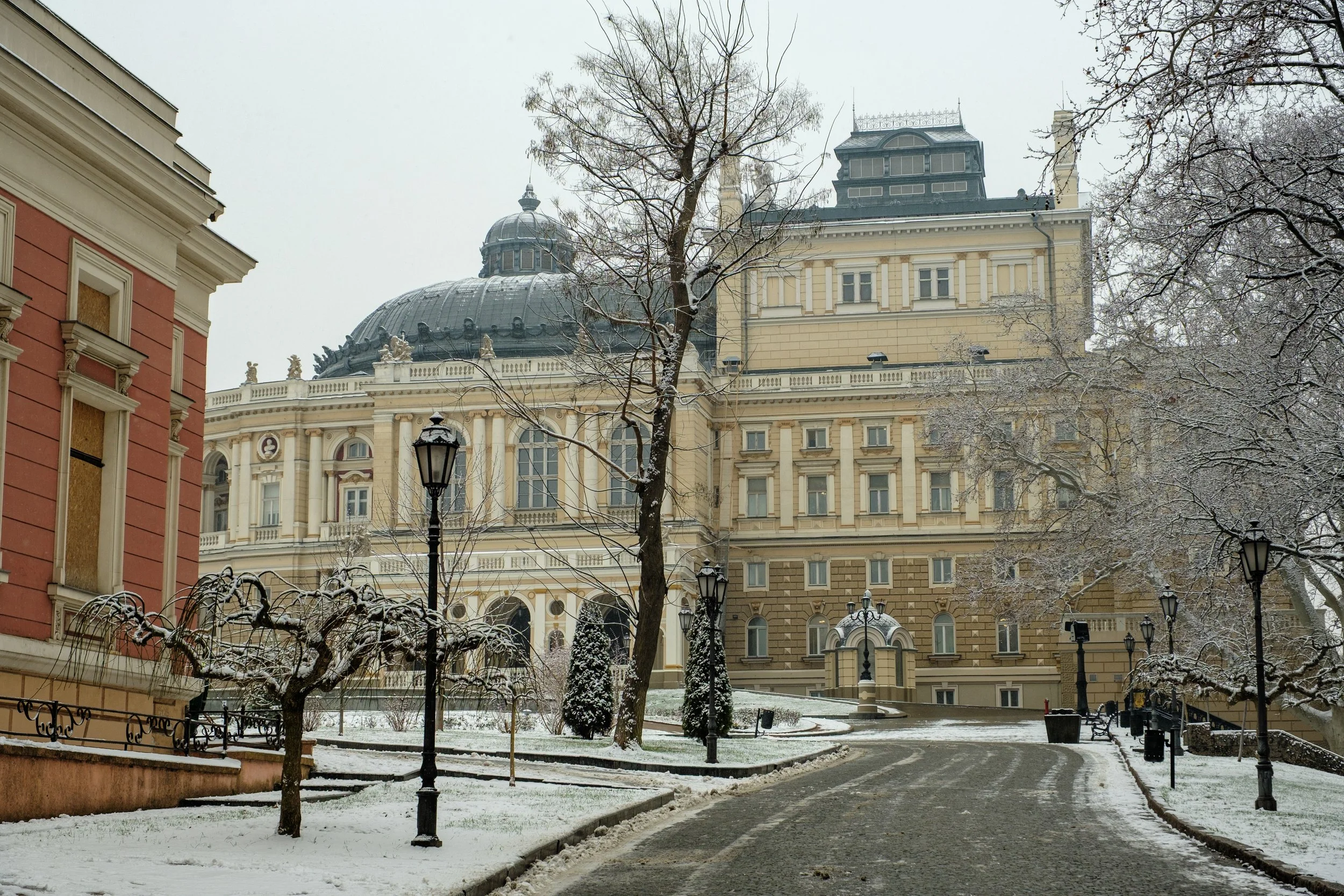
Lukasz Mackiewicz
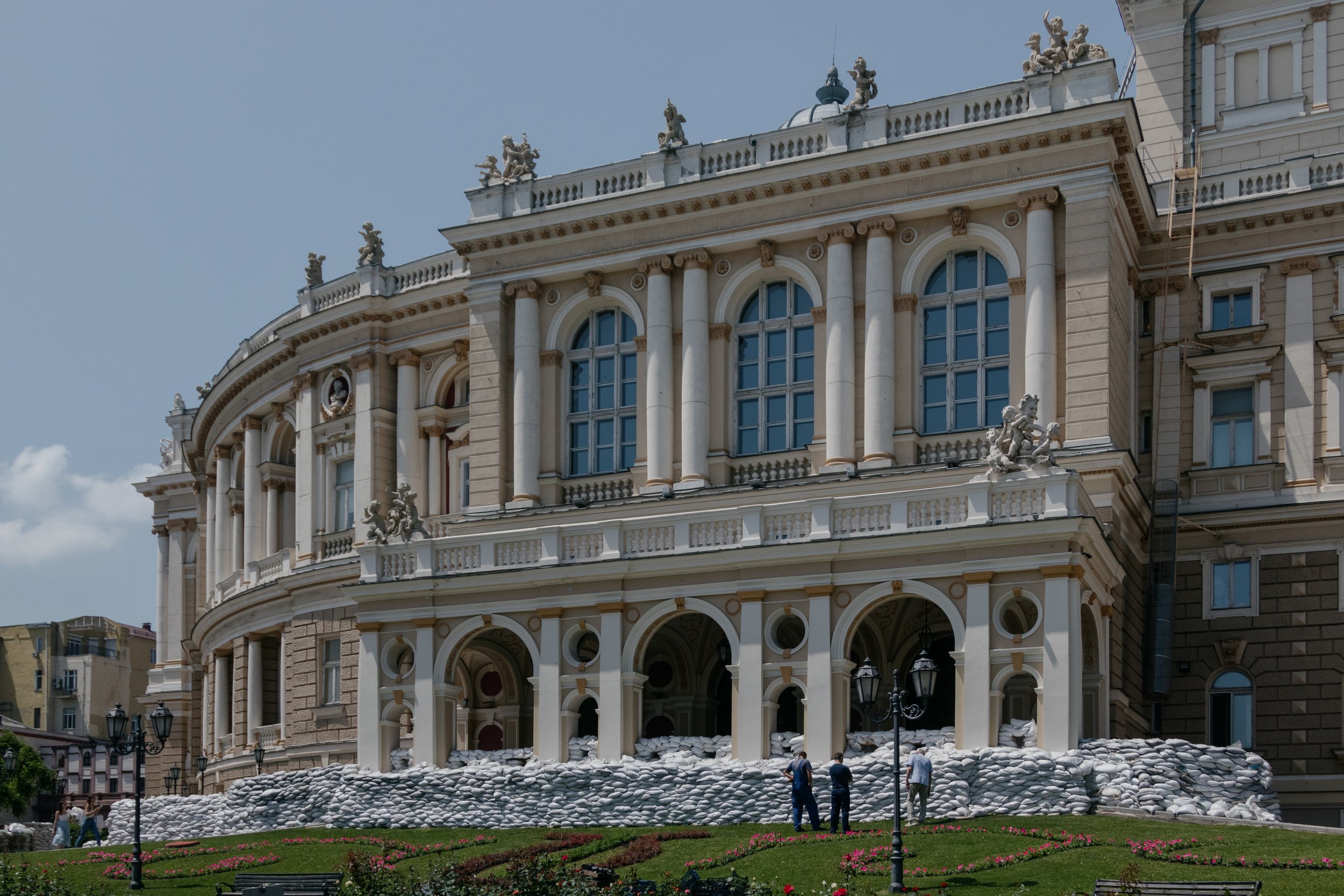
Tim Melnikov
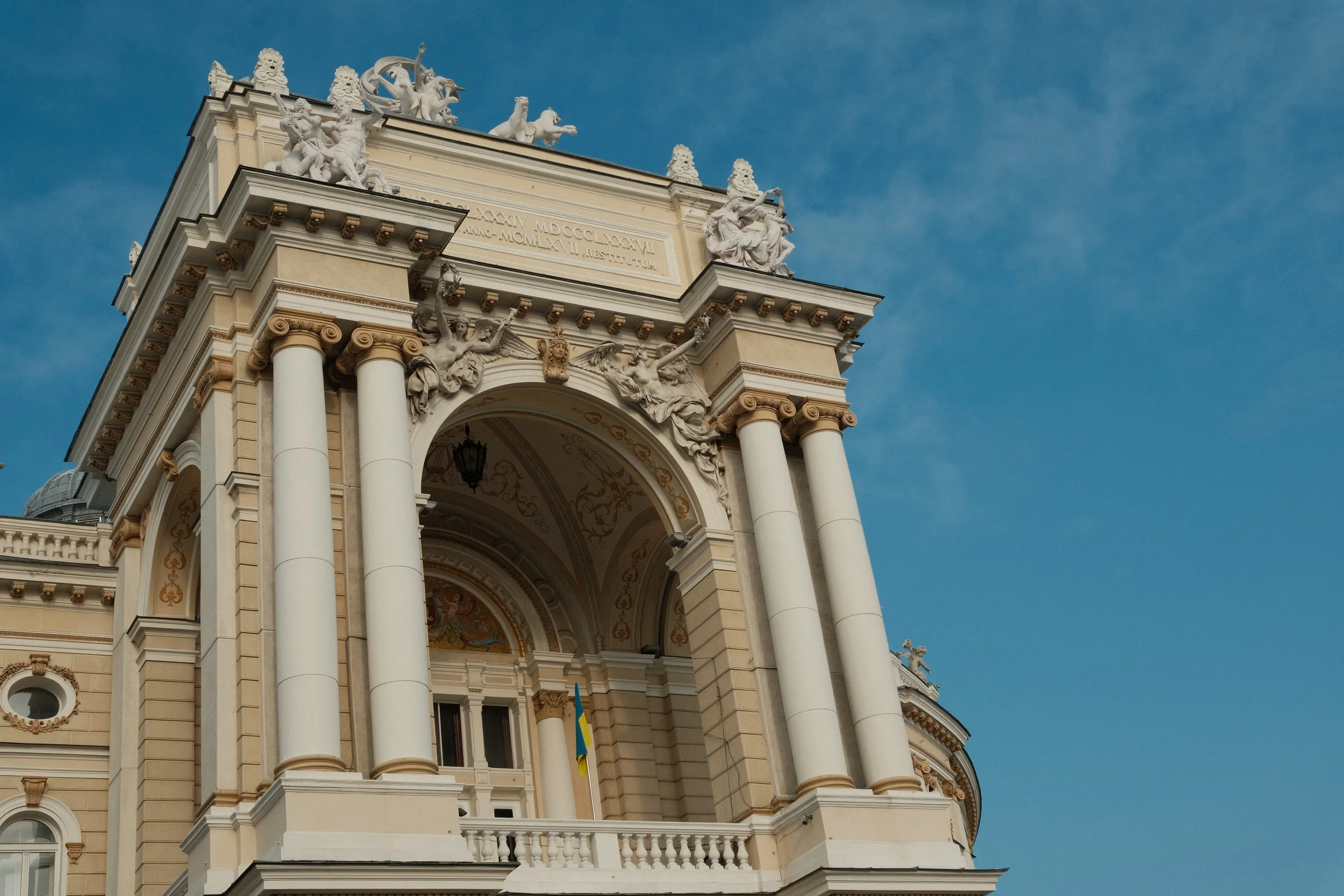
Lukasz Mackiewicz
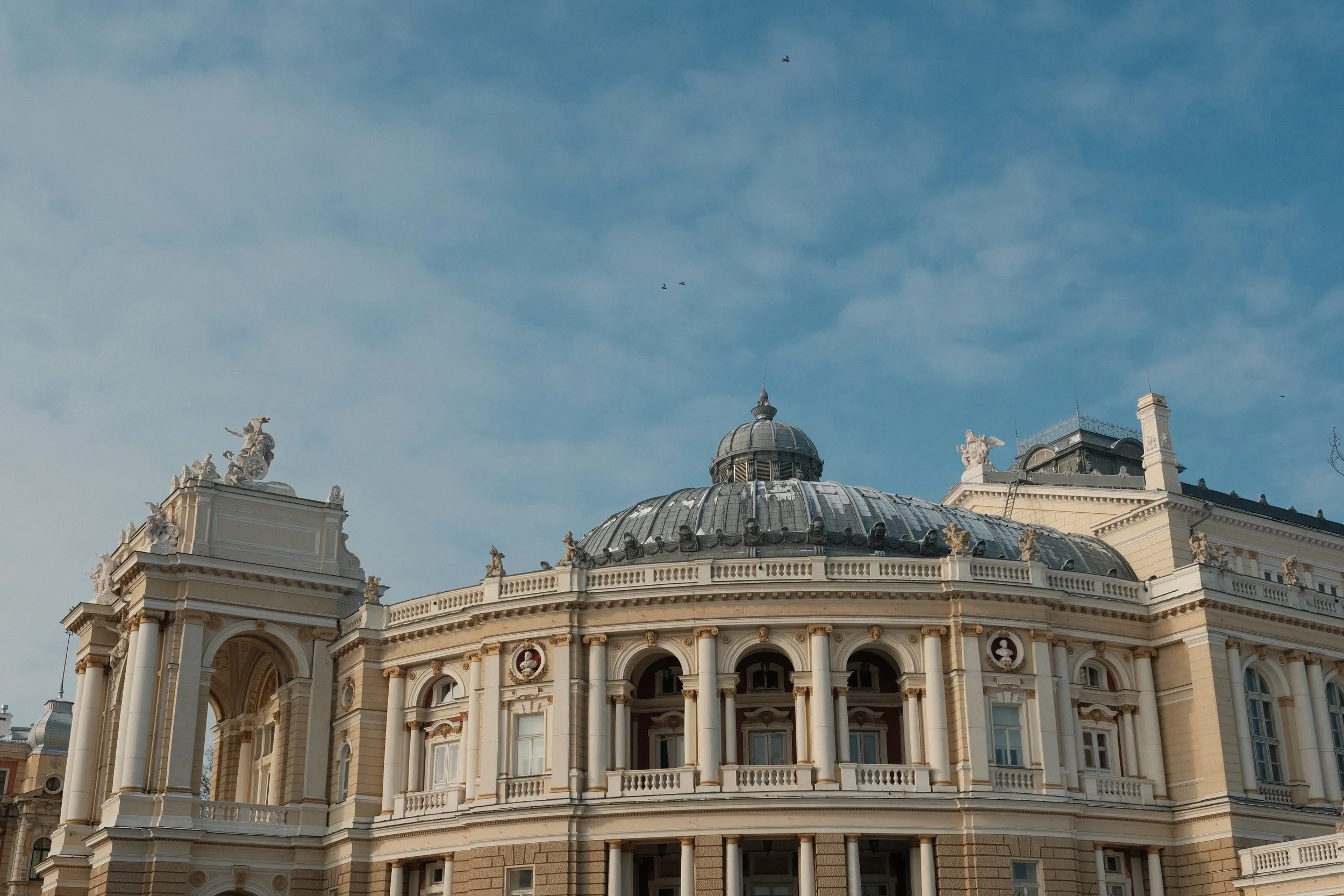
Lukasz Mackiewicz
Nataliia Mykhailenko
Nataliia Mykhailenko
Nataliia Mykhailenko
In wartime Odesa, monuments have become sites of negotiation between history, identity, and loss. The Monument to Empress Catherine II was removed, marking a deliberate shift in how imperial legacies are addressed in the city’s public space. The Pushkin Monument was later marked with red paint—symbolising blood—and subsequently covered by the authorities in 2025. At the same time, other figures, such as the Duke de Richelieu Monument, were actively protected.
Cultural and spiritual landmarks have also been drawn into the war. The Transfiguration Cathedral was struck and damaged, a reminder that the conflict does not stop at the threshold of heritage or faith.
Historic monuments / Історичні пам’ятники
У воєнній Одесі пам’ятники перетворилися на простори складних переговорів між історією, ідентичністю та втратою. Демонтаж пам’ятника засновникам Одеси позначив свідомий зсув у ставленні до імперської спадщини в публічному просторі міста. Пам’ятник О. С. Пушкіну згодом облили червоною фарбою — символом крові, — а у 2025 році його було закрито рішенням міської влади. Водночас інші постаті, зокрема пам’ятник герцогу де Рішельє, залишаються під активним захистом — його силует, обкладений мішками з піском, став одним із найвпізнаваніших символів оборони Одеси.
До війни втягнуті й духовні орієнтири міста. Спасо-Преображенський собор, що зазнав руйнувань внаслідок ракетного удару, став болючим нагадуванням: війна не зупиняється на порозі віри чи архітектурної спадщини.
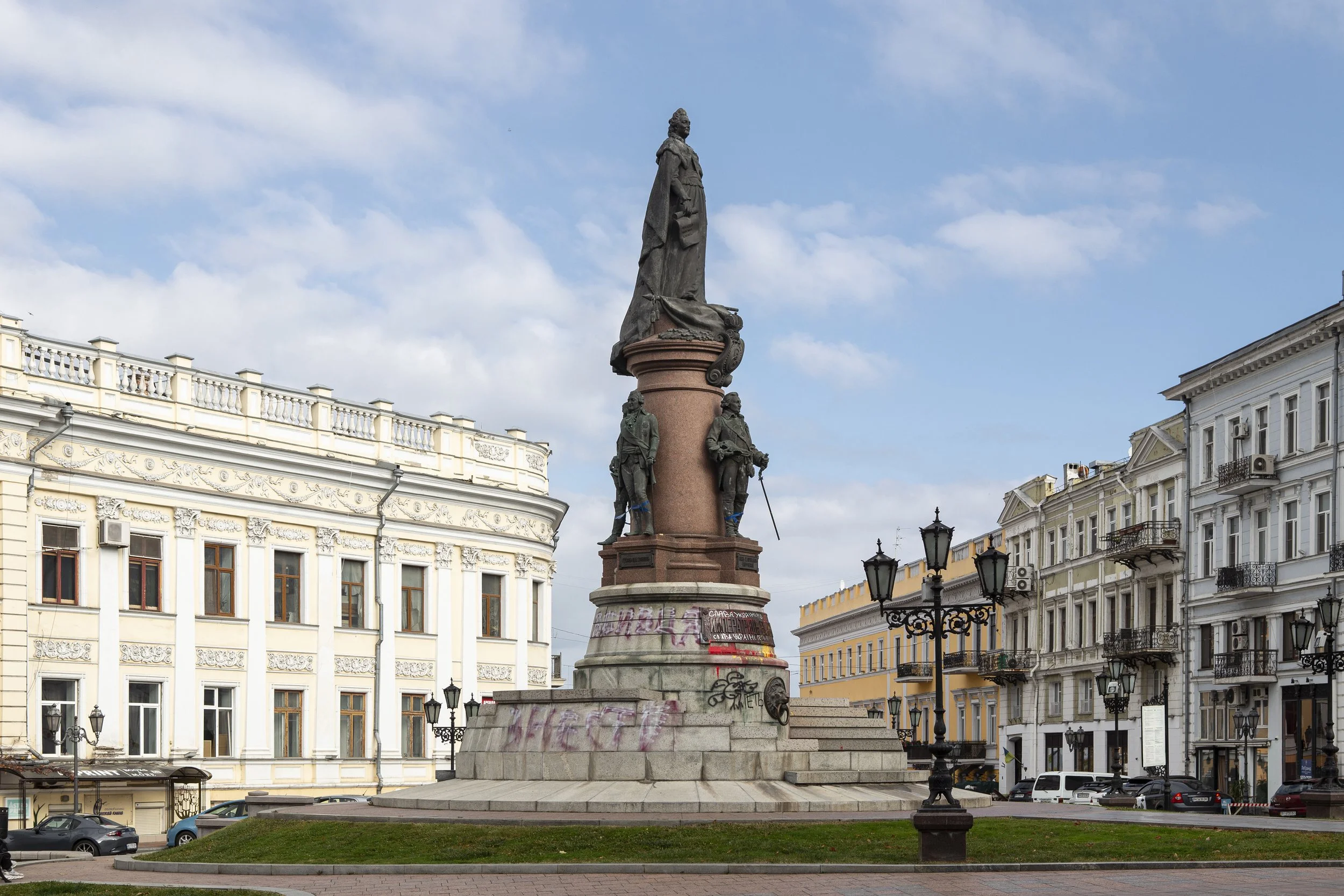
The Monument to Empress Catherine II, Maksym Finogeiev
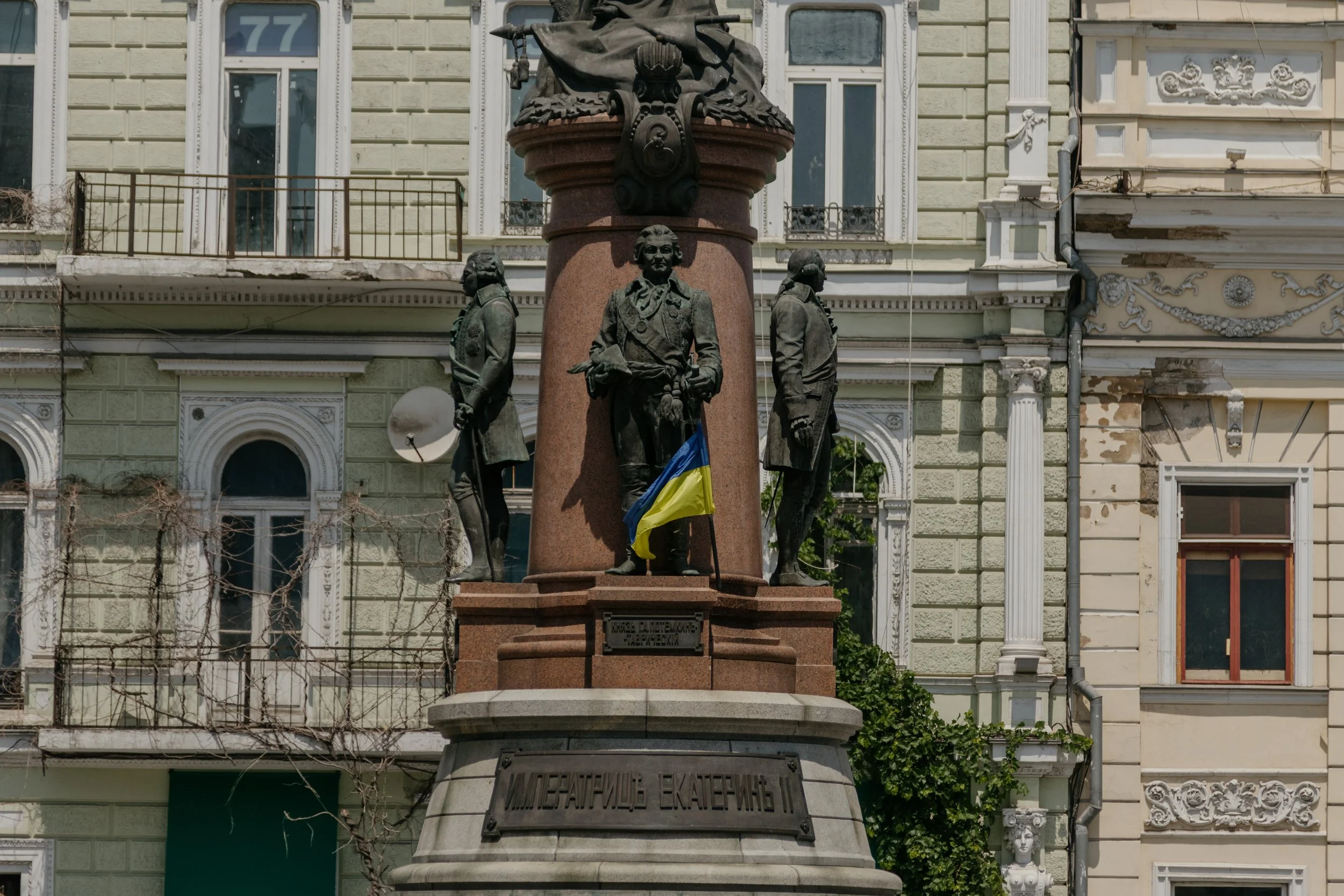
The Monument to Empress Catherine II; Tim Melnikov
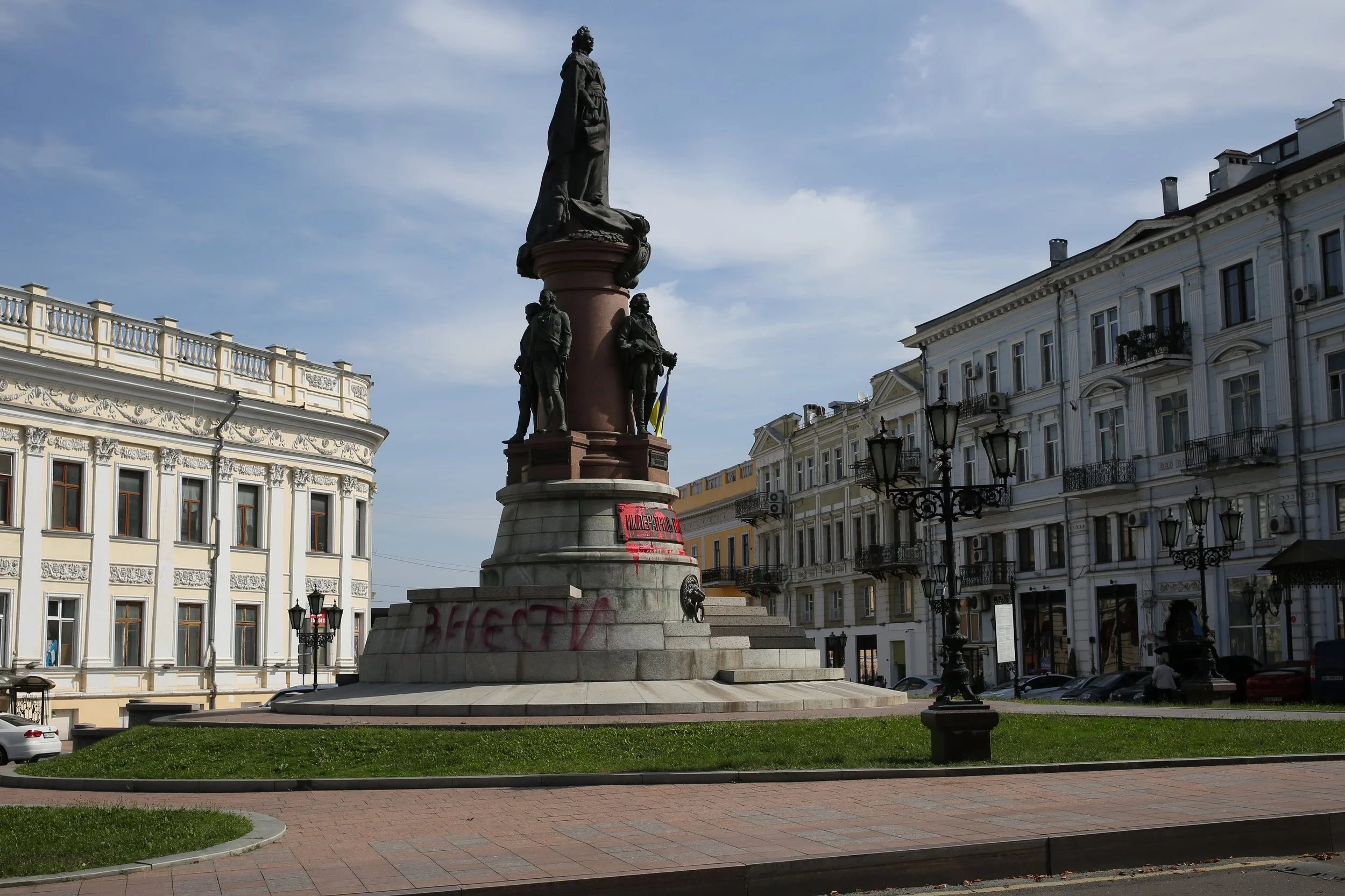
"Remove it!"; Viacheslav Onyshchenko
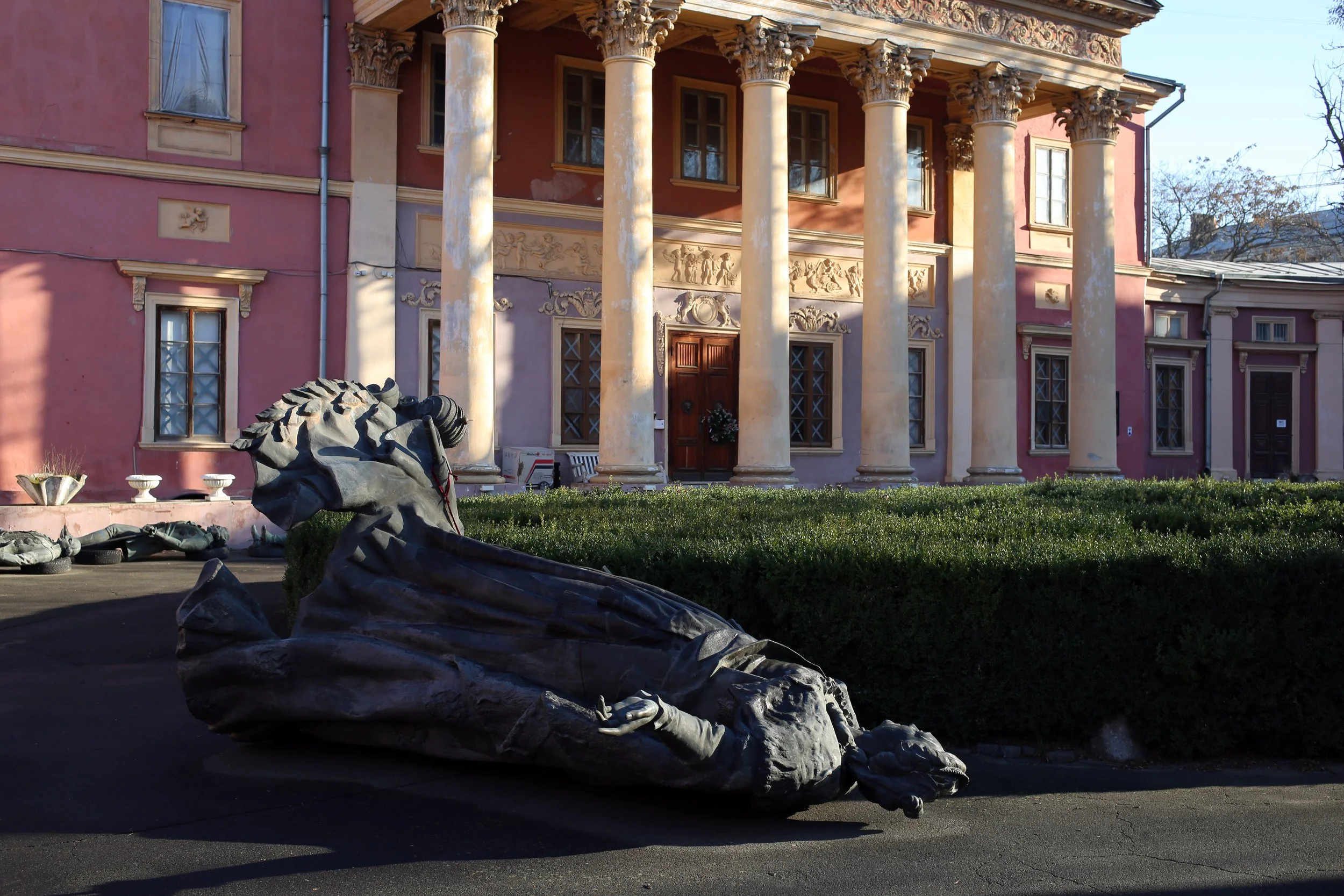
Viacheslav Onyshchenko
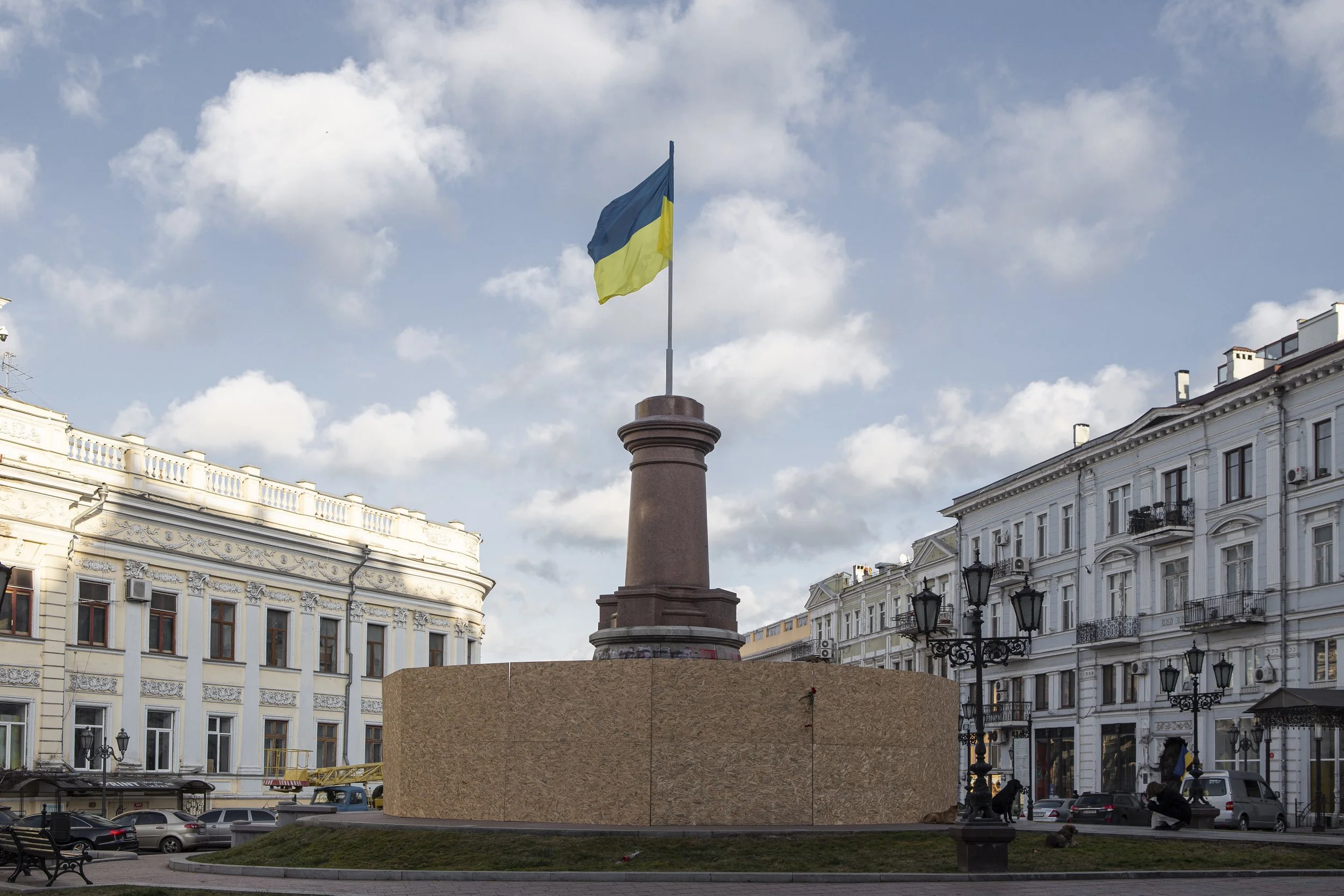
Maksym Finogeiev
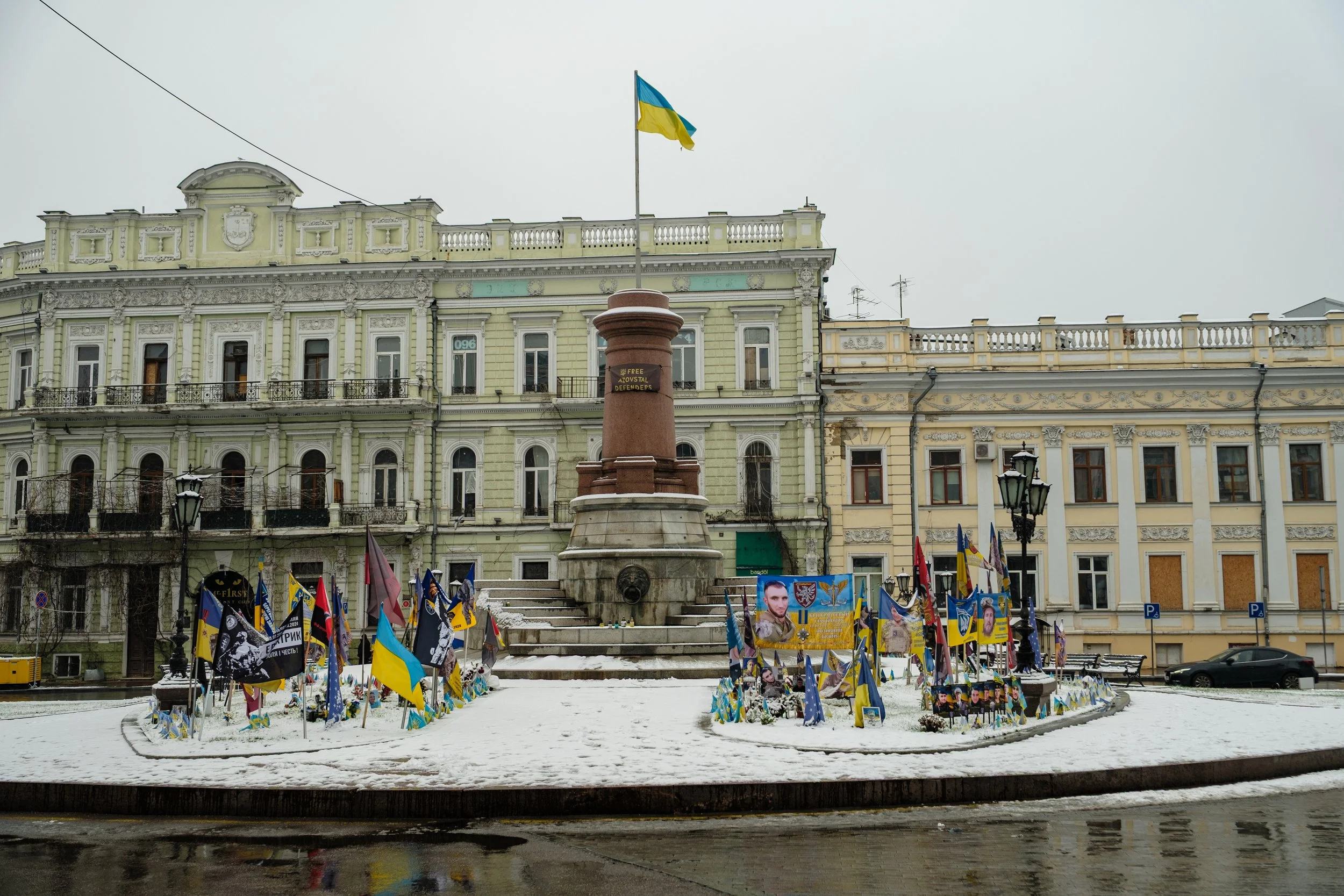
Lukasz Mackiewicz
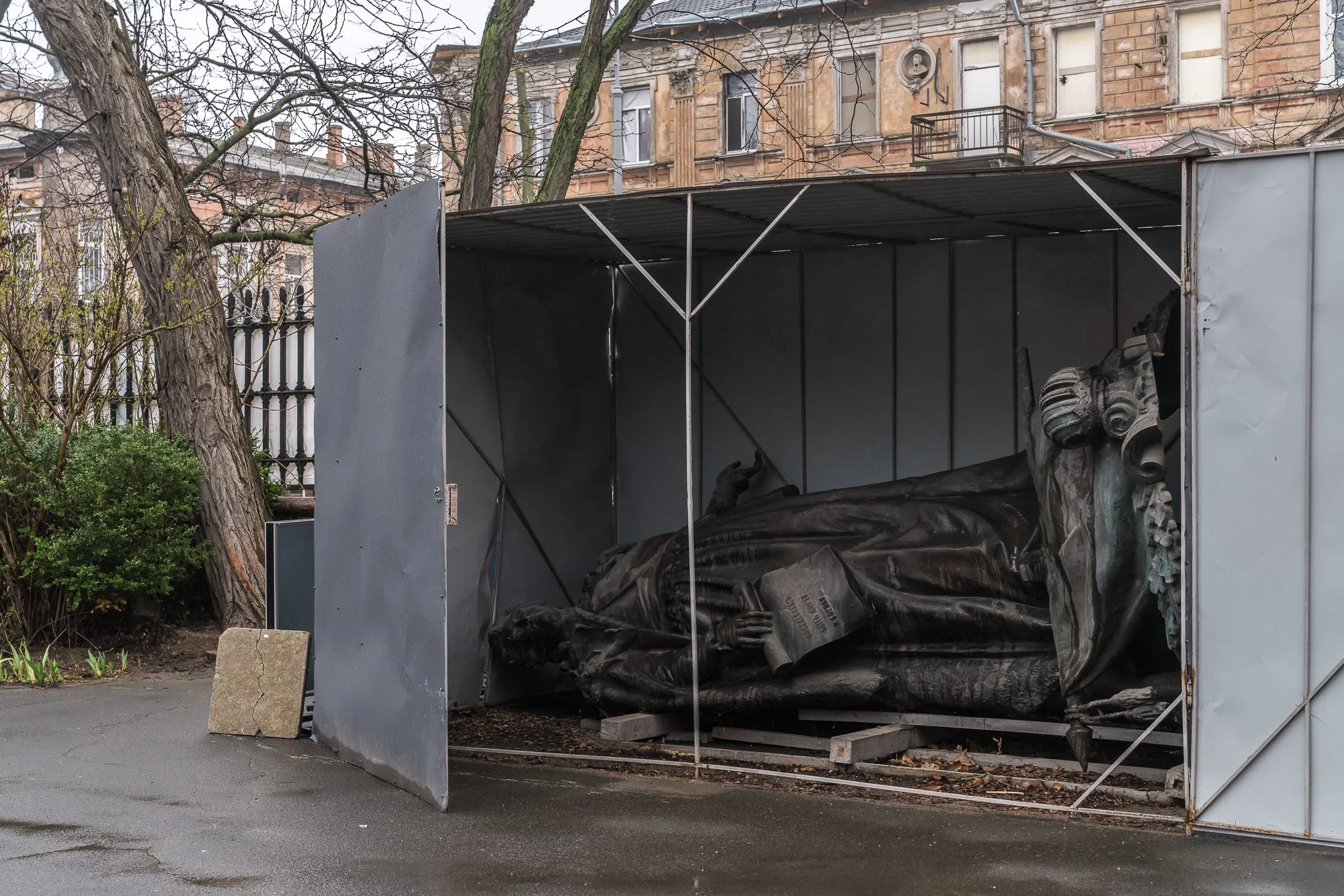
Brendan Hoffman
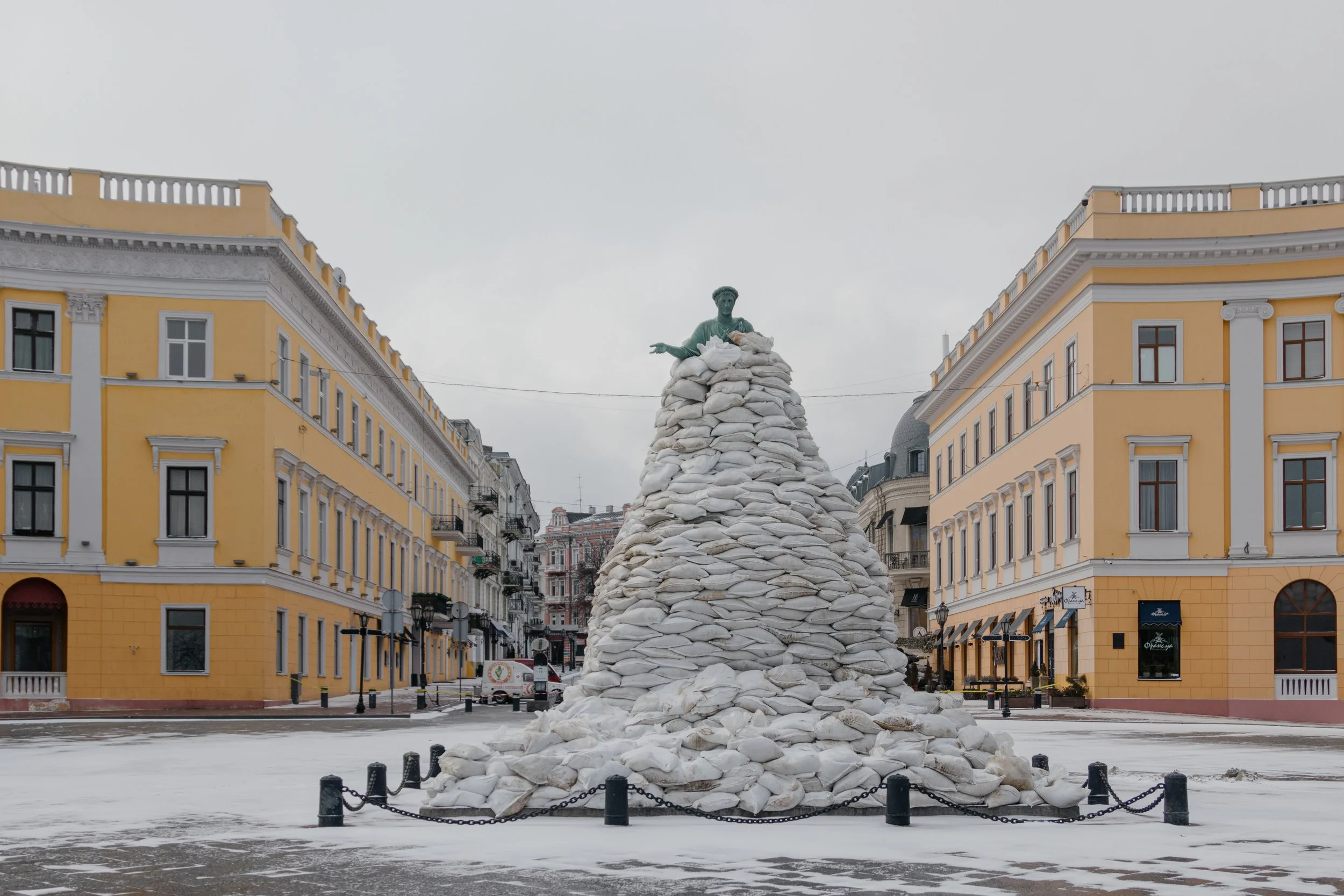
Duke de Richelieu Monument, Tim Melnikov
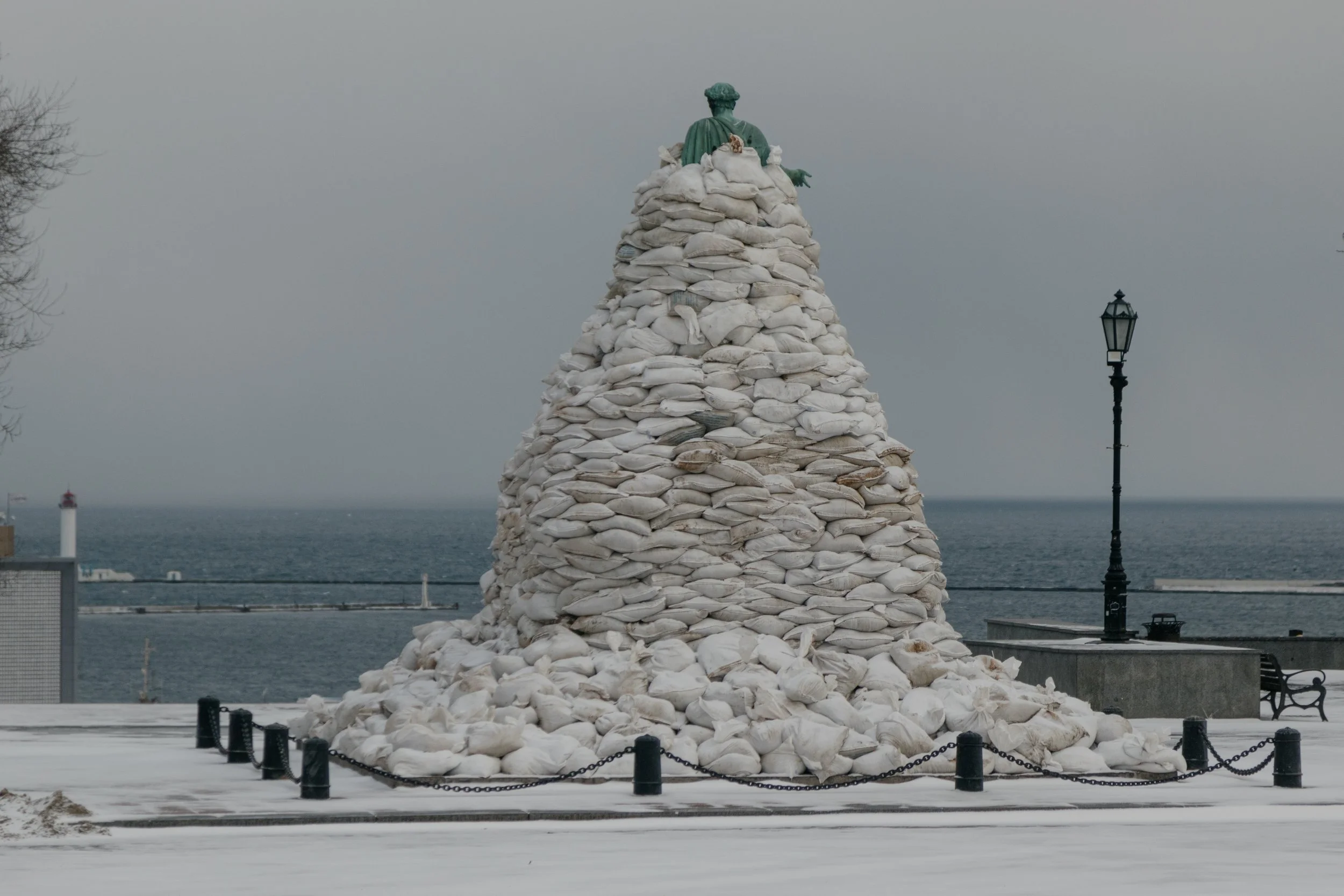
Duke de Richelieu Monument; Tim Melnikov
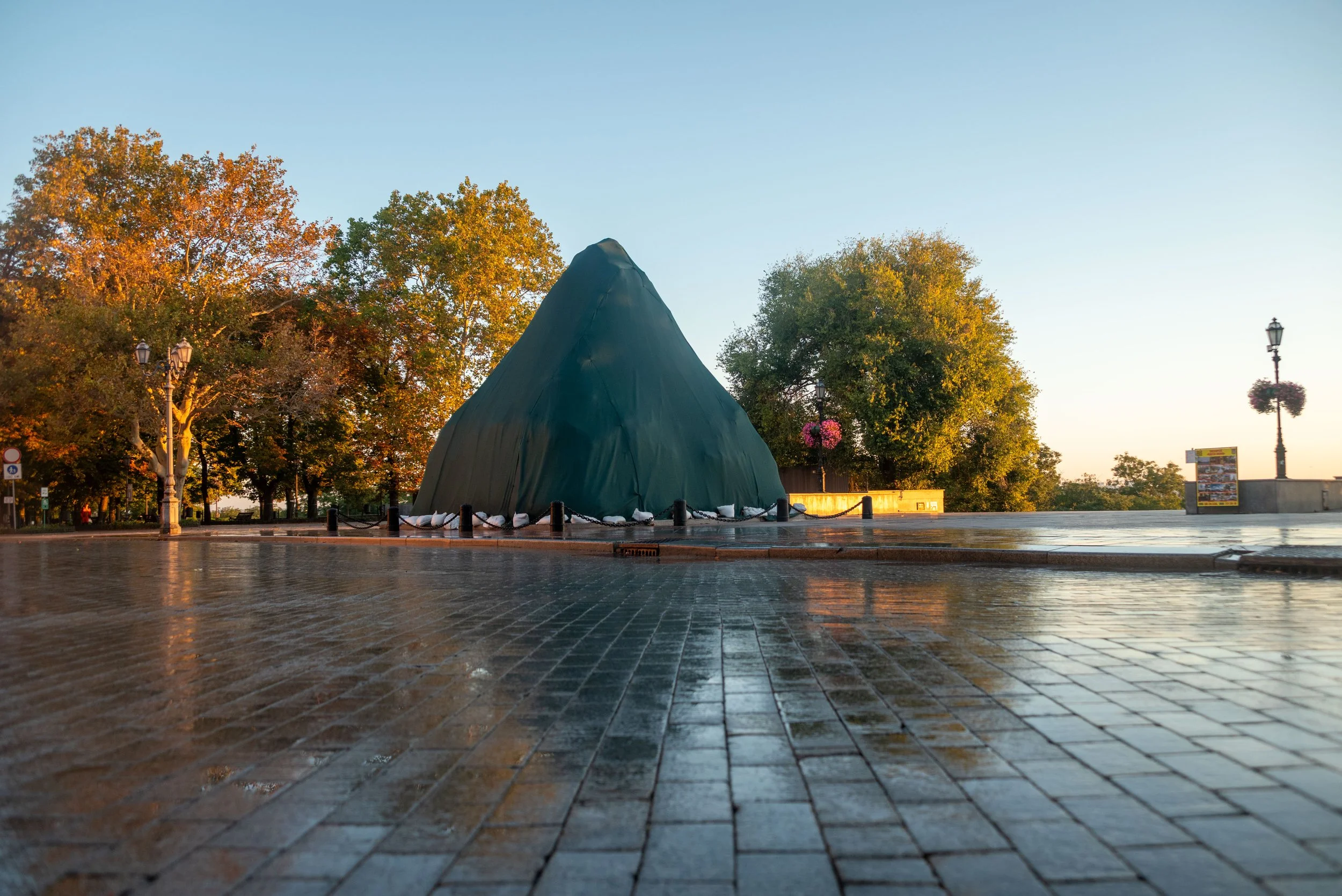
Duke de Richelieu Monument; Nataliia Mykhailenko
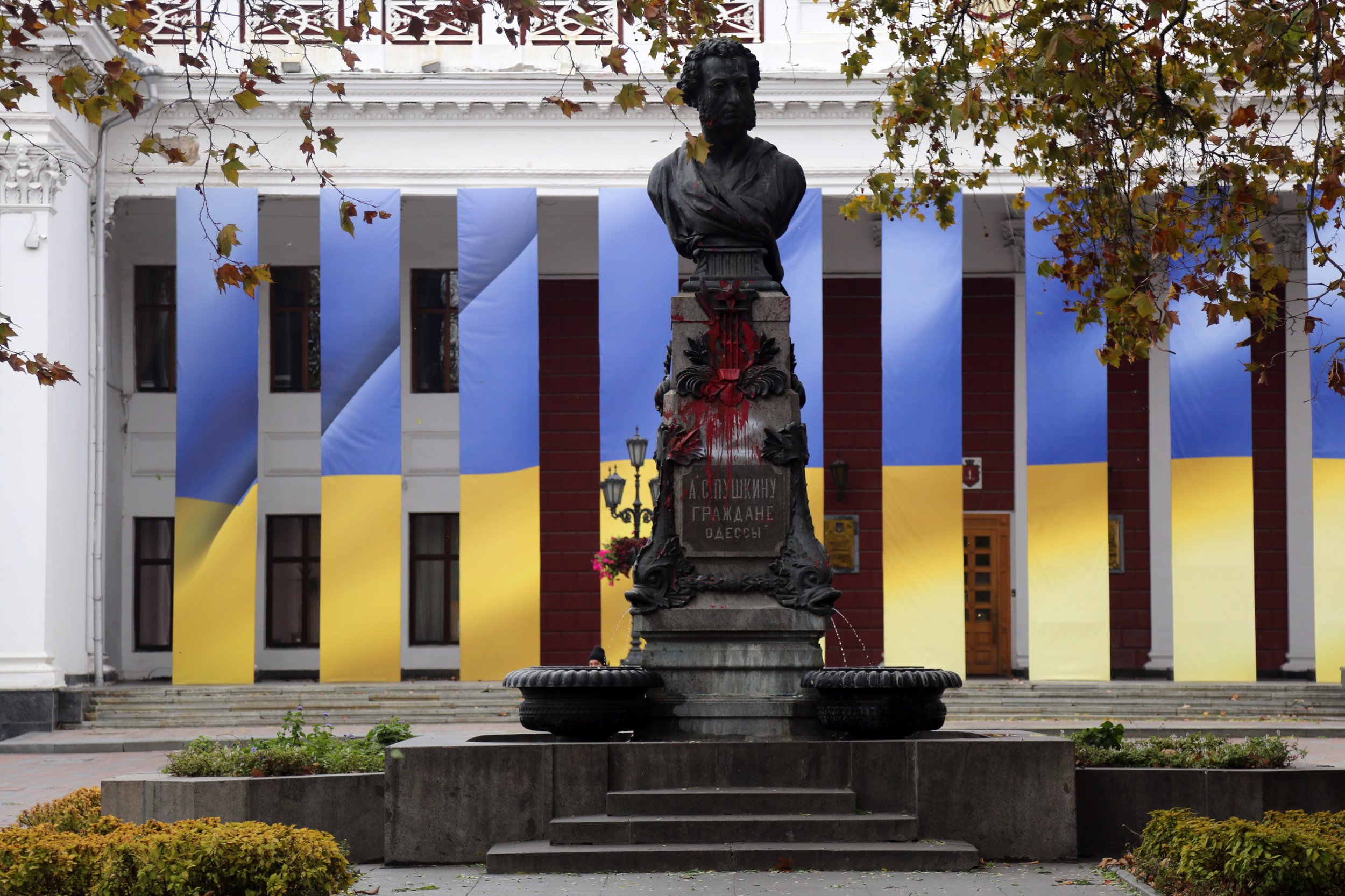
Pushkin Monument in the centre of Odesa, with red colour indicating blood; Viacheslav Onyshchenko
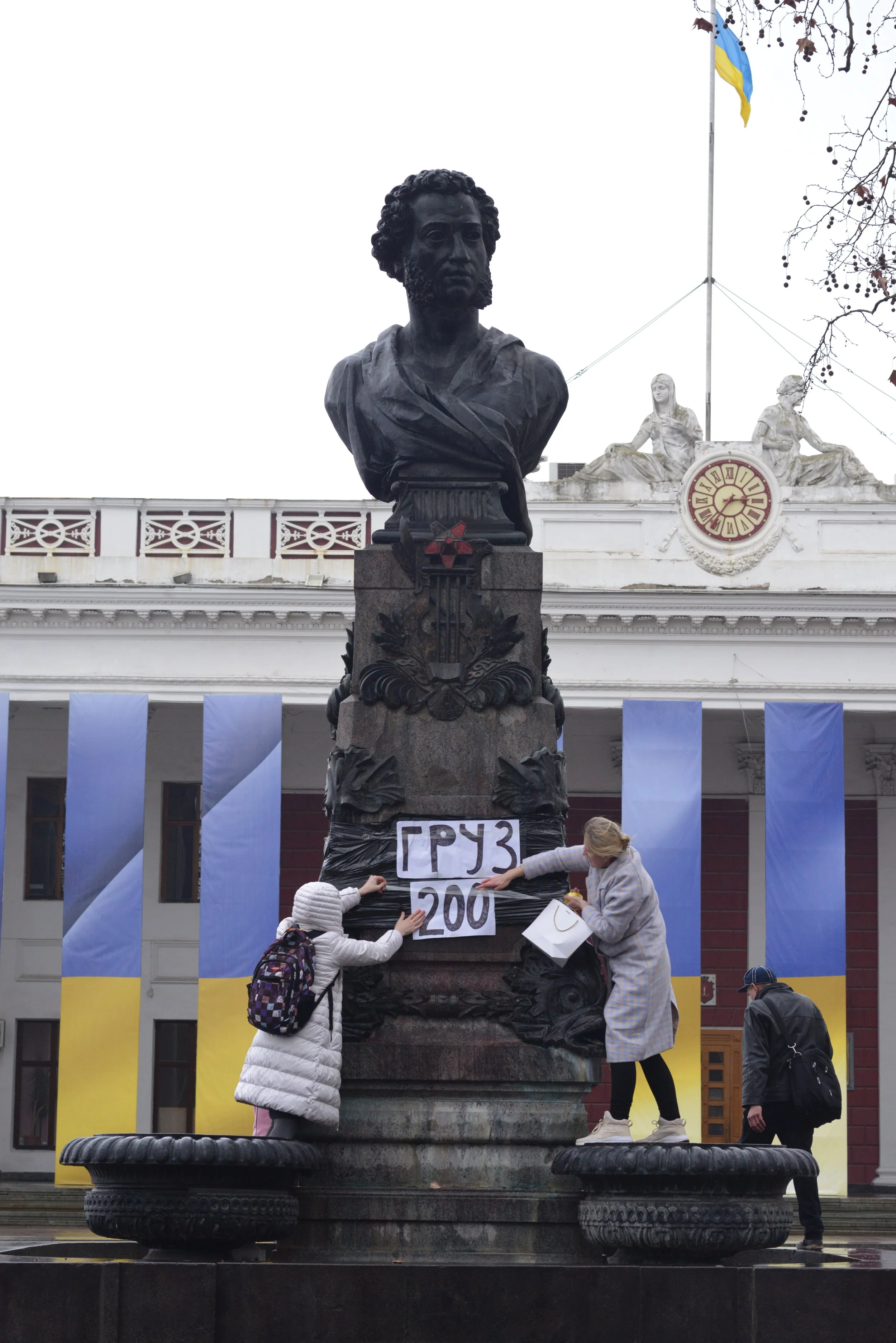
Gruz 200 - Russian designation for soldiers Killed in Action, Nataliia Mykhailenko
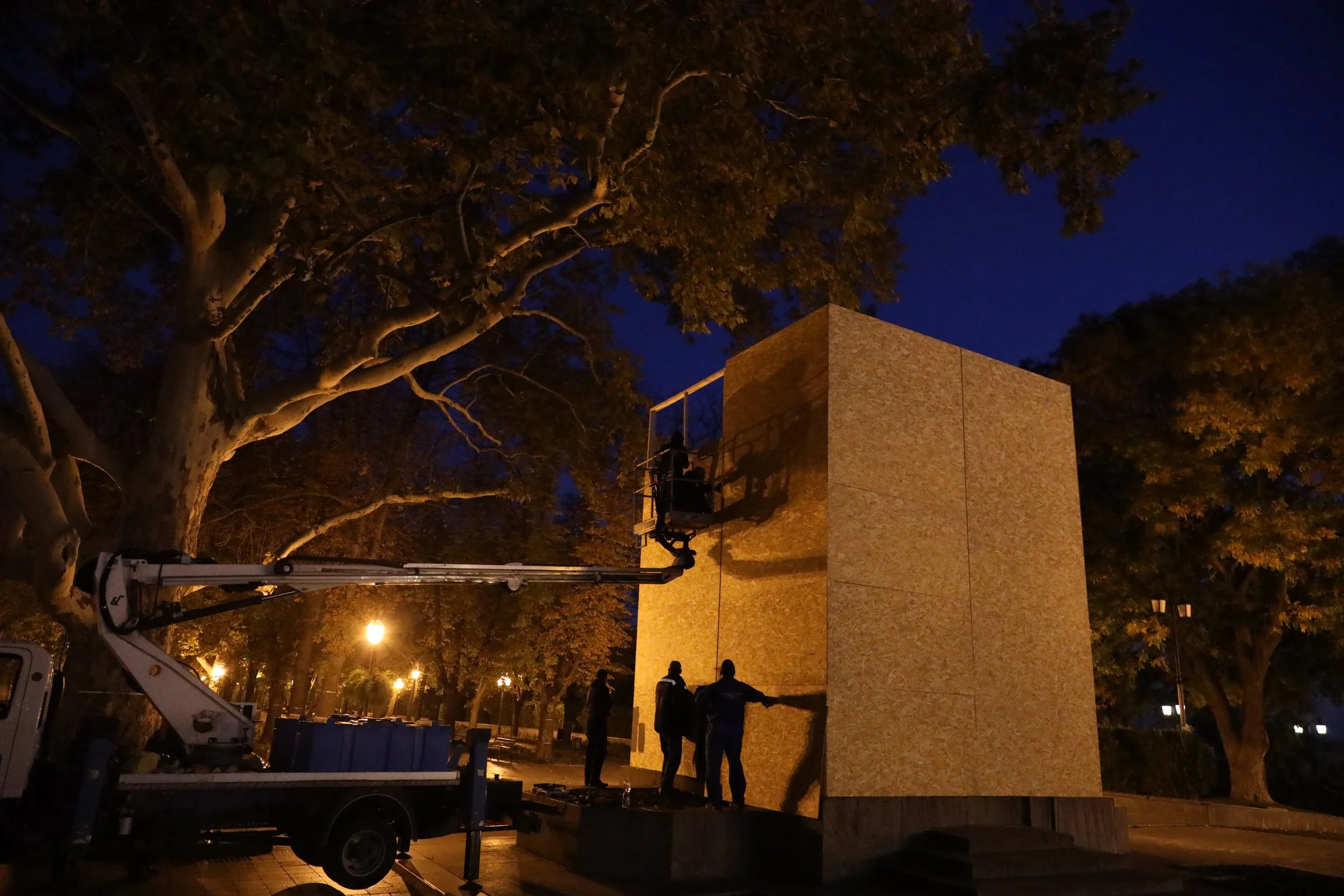
Pushkin's Monument covered in 2025, Pushkin Monument in the centre of Odesa, with red colour indicating blood; Viacheslav Onyshchenko
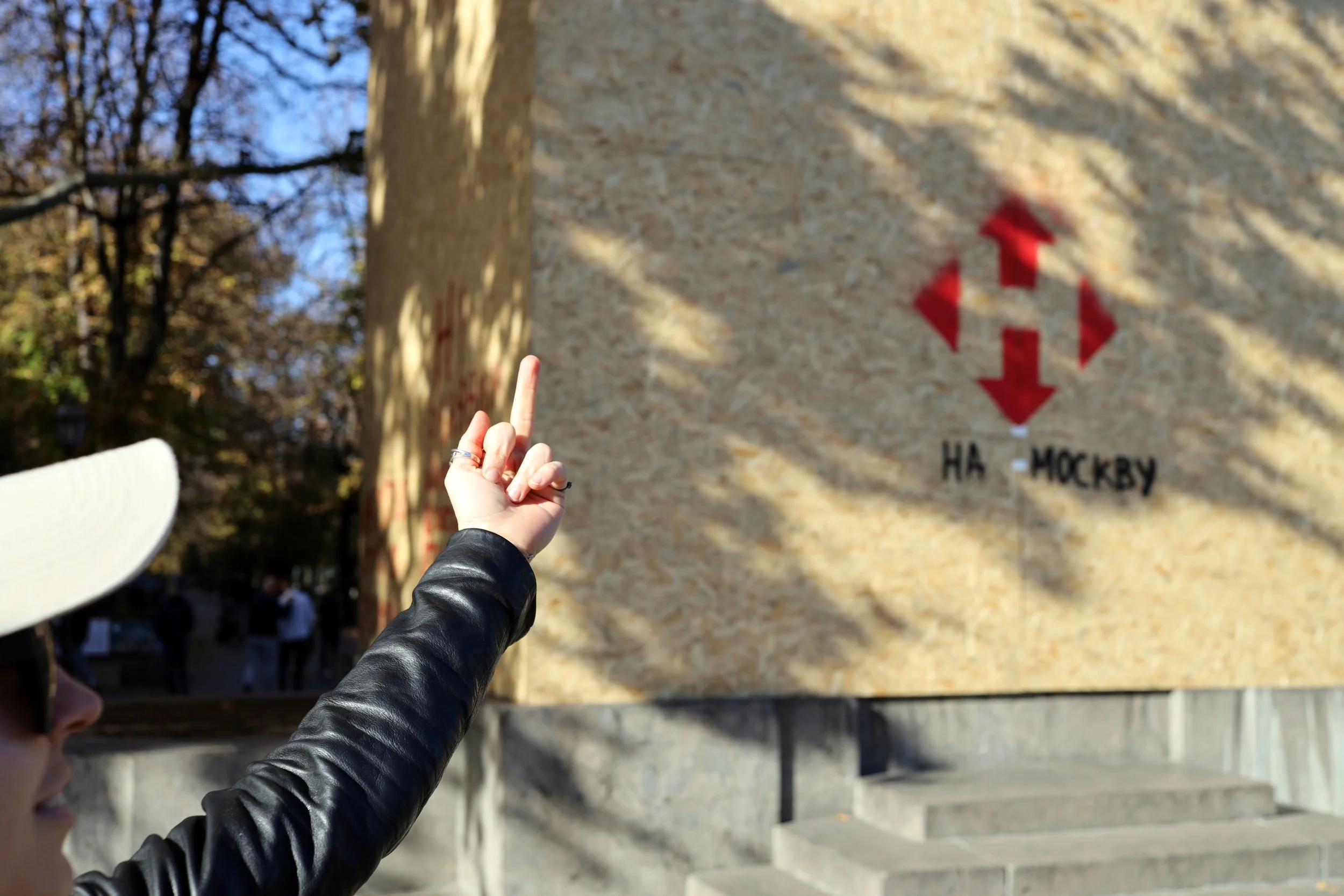
Post sign and a graffiti "To be sent to Moscow.", Viacheslav Onyshchenko
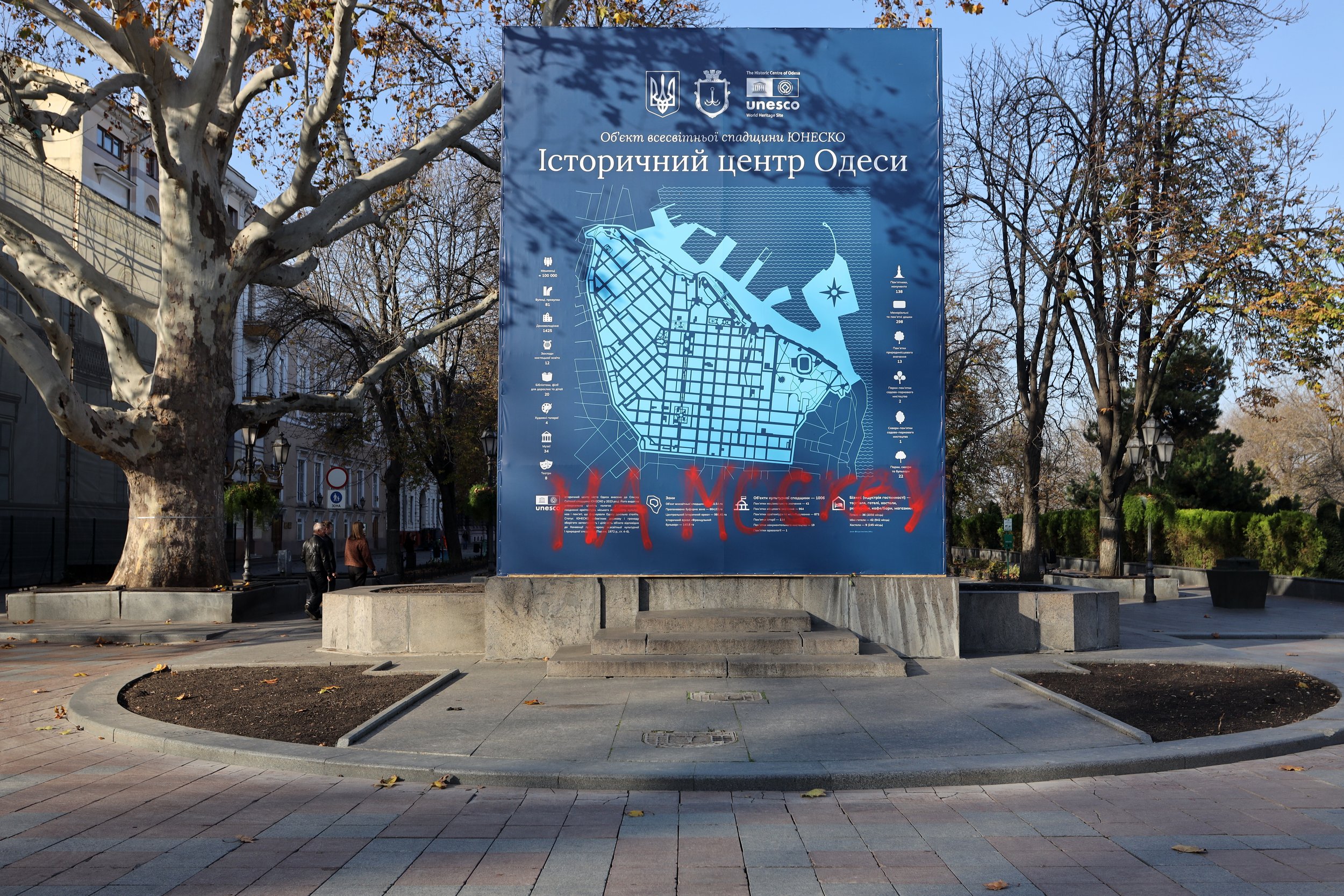
"Send it to Moscow", Viacheslav Onyshchenko
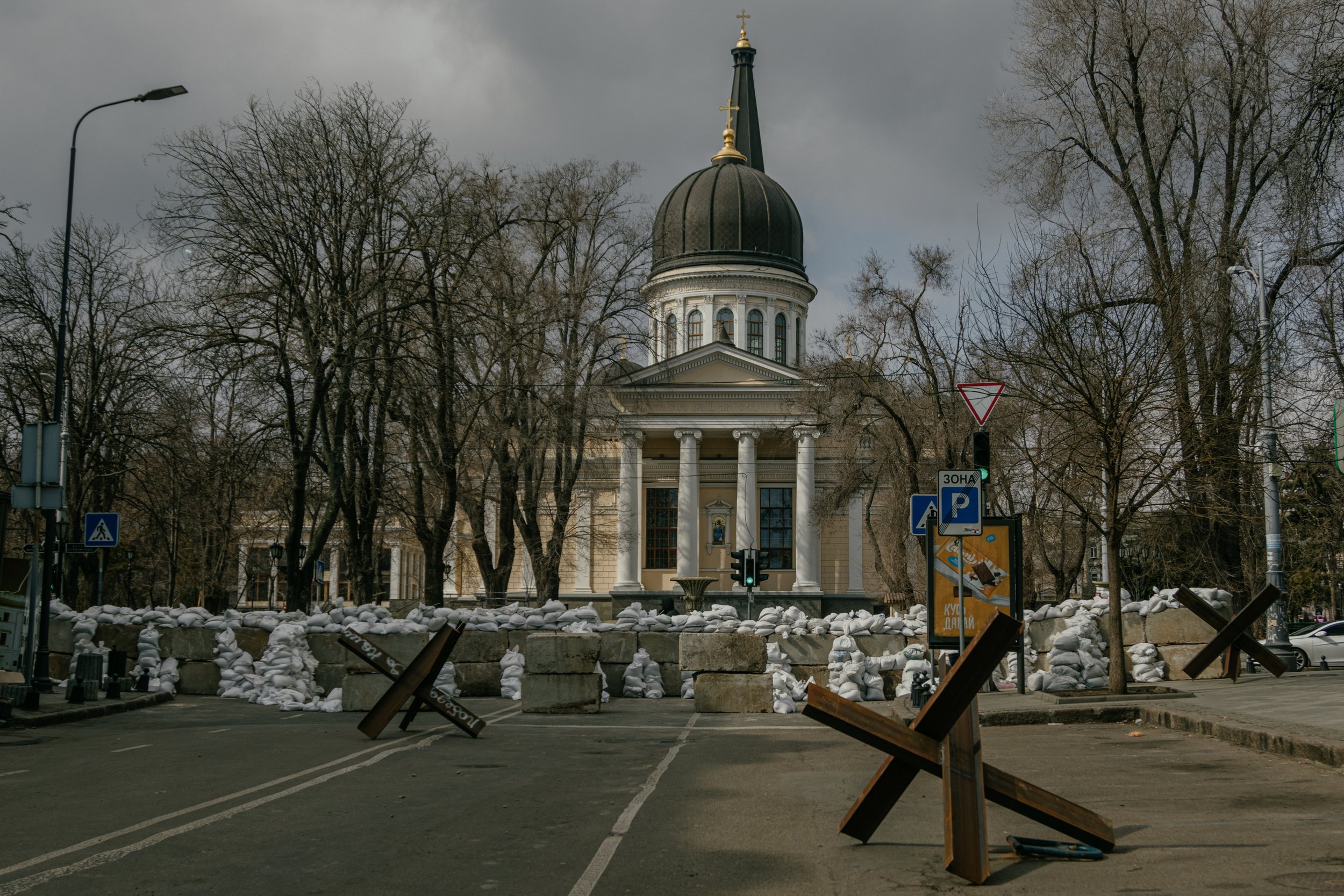
The Transfiguration Cathedral in Odesa, Tim Melnikov
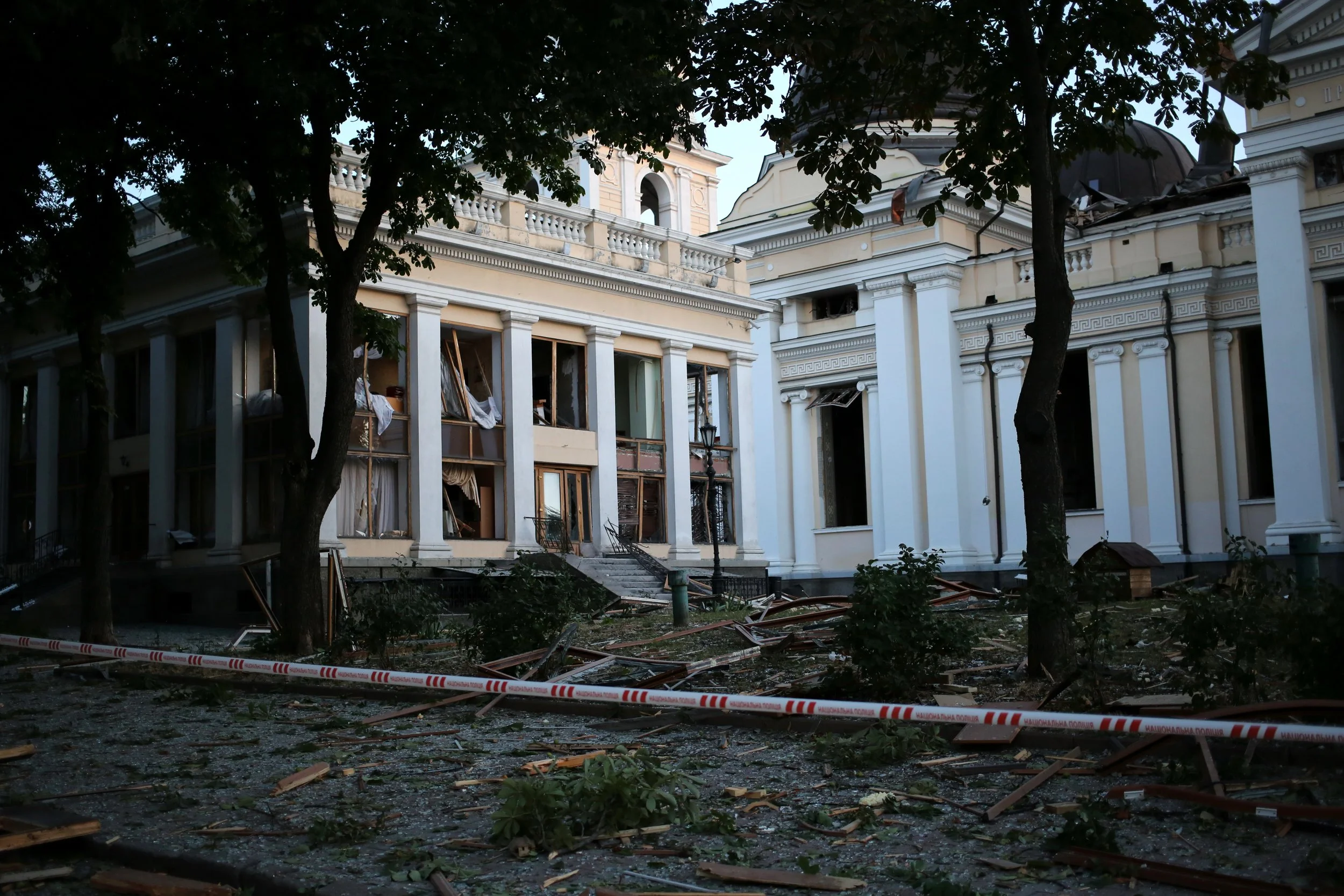
The Transfiguration Cathedral in Odesa hit by a Russian missile in July 2023; Viacheslav Onyshchenko
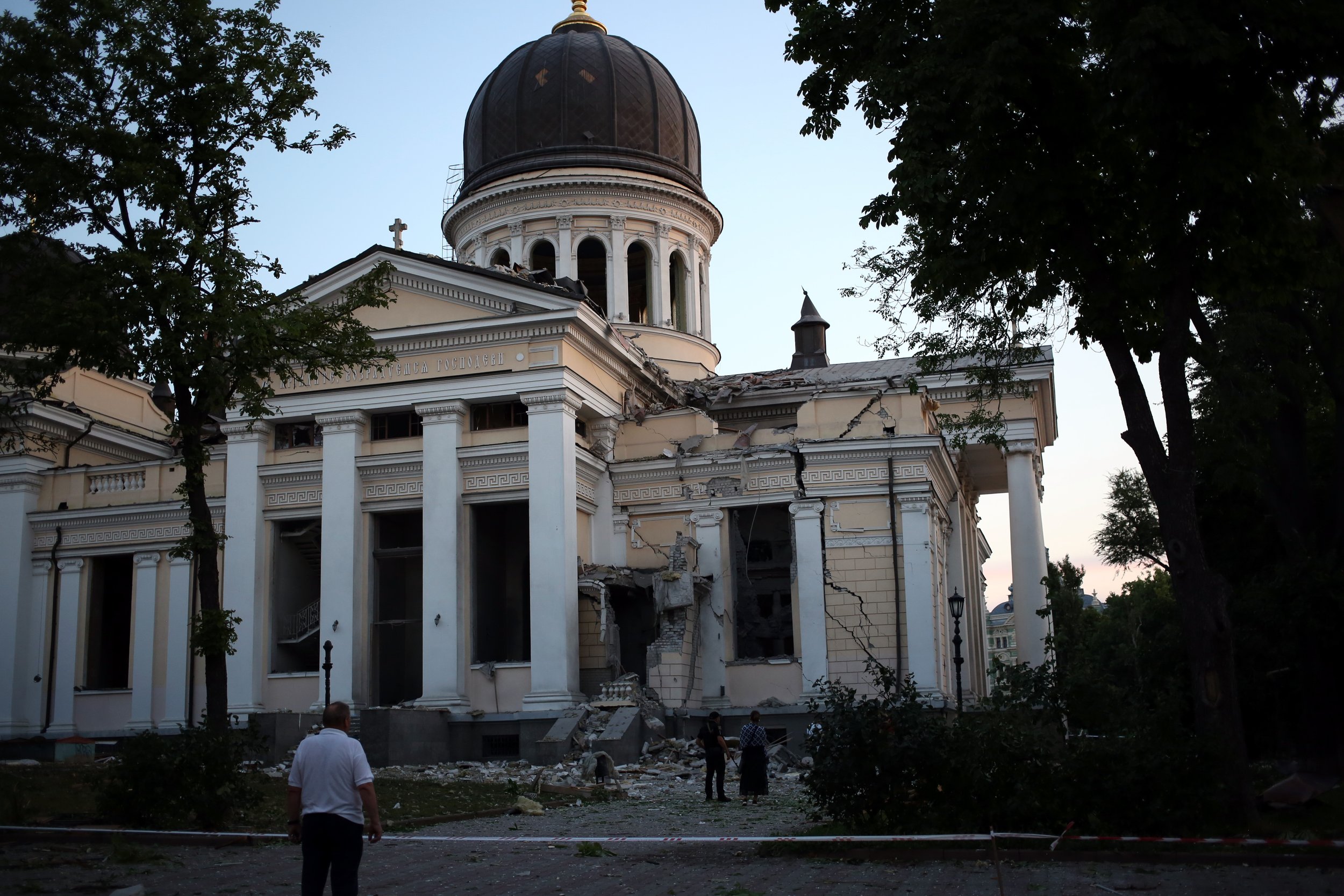
The Transfiguration Cathedral in Odesa hit by a Russian missile in July 2023; Viacheslav Onyshchenko
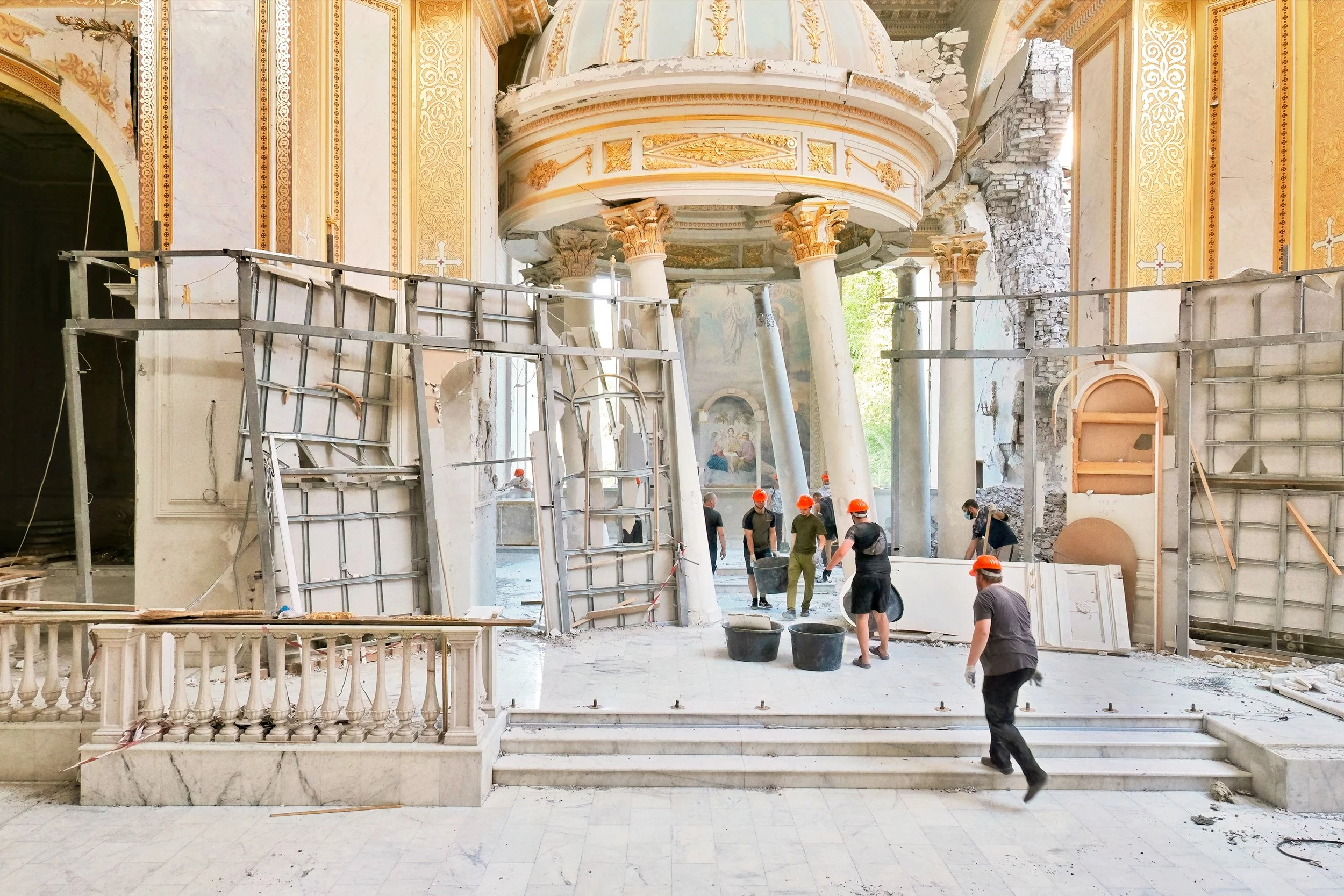
On-going renovation works; Mateusz Sarello
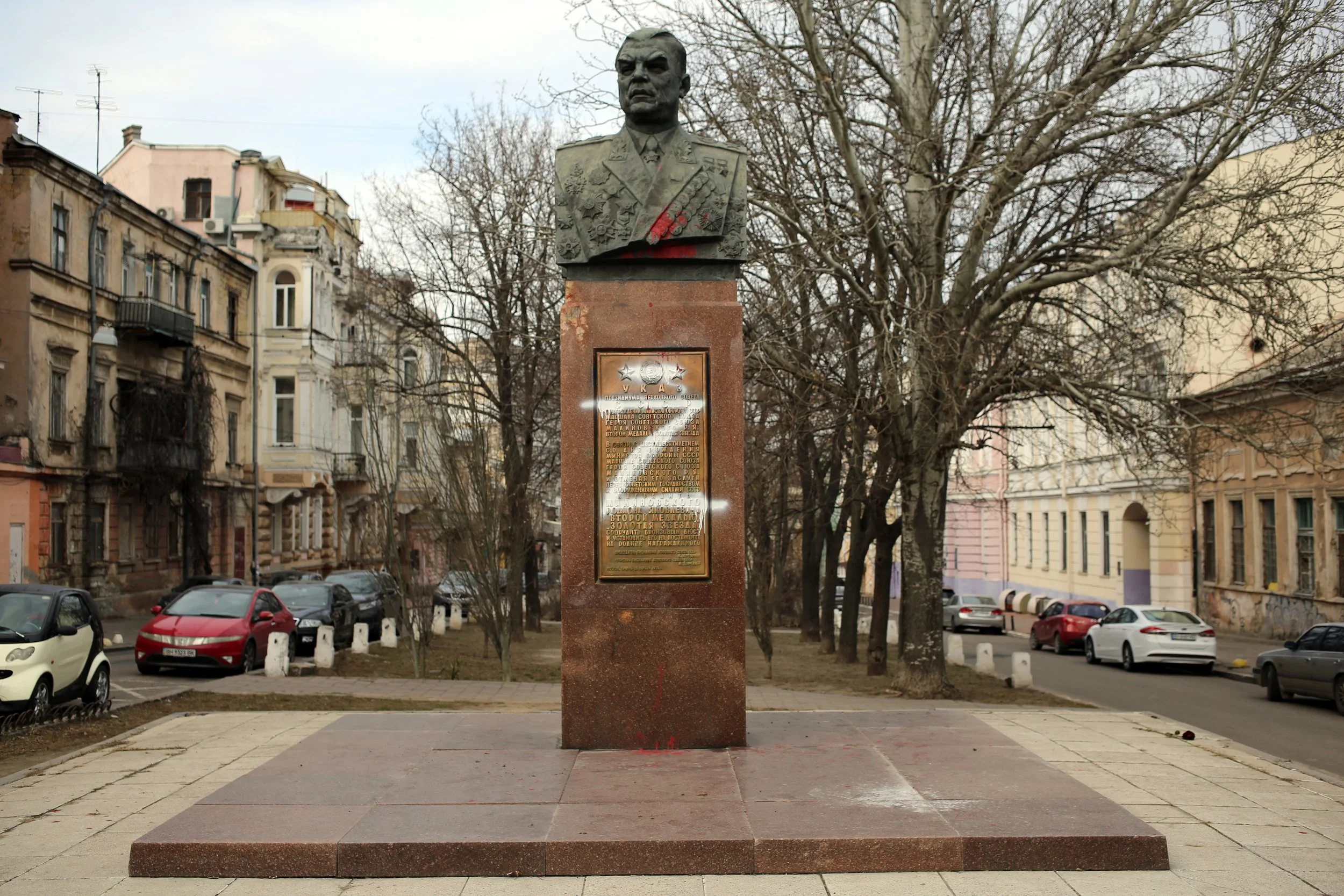
Monument to Marshal Rodion Malinovsky (a Soviet Army commander) Viacheslav Onyshchenko
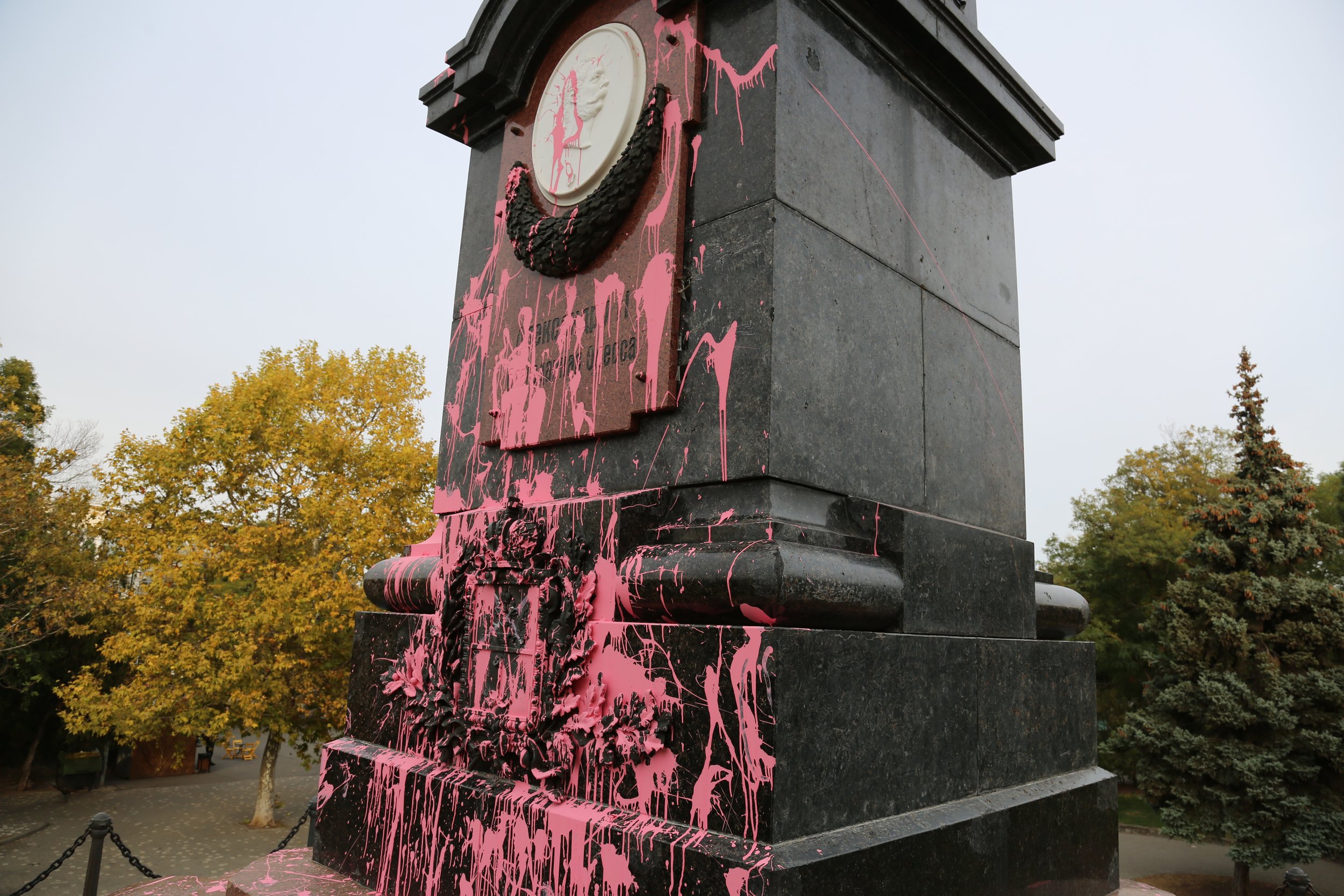
Monument for Russian Tsar Alexander II; Viacheslav Onyshchenko